
Idaho and Utah National Forests Block 983 Miles of River Protections
01/11/2024 - by Kevin Colburn
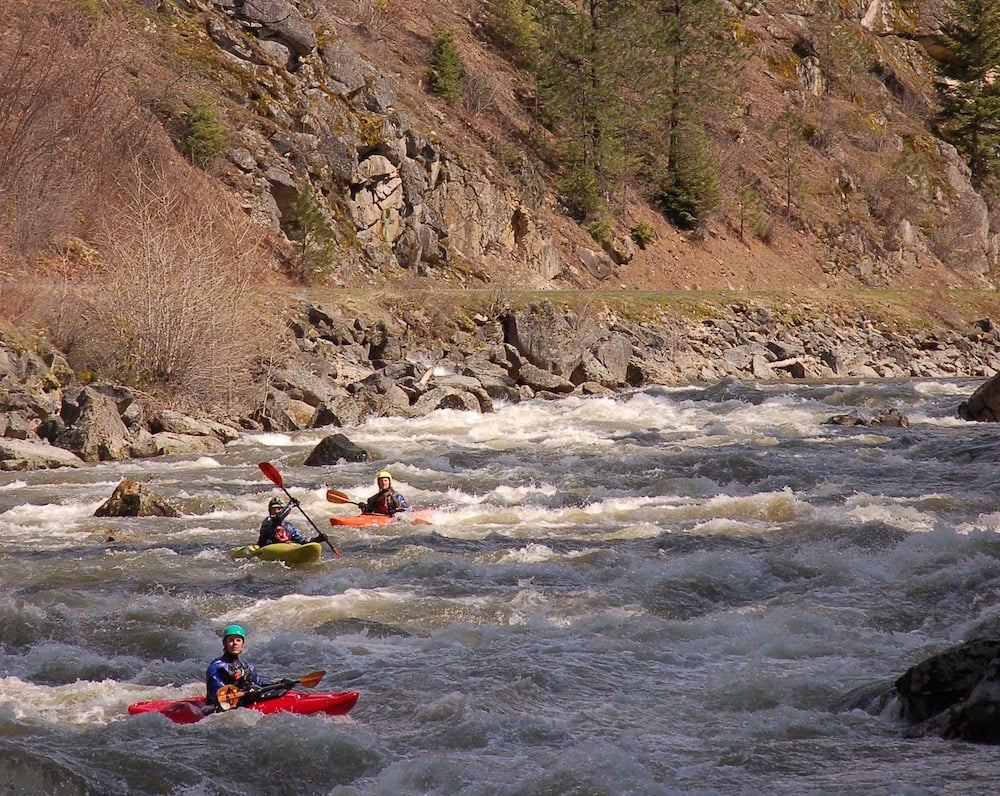
Late last year the US Forest Service released two new national forest management plans that deny protections for a total of 983 miles of streams that they had deemed eligible for Wild and Scenic designation. Federal law and policy requires them to protect these rivers for potential congressional designation, but instead they released the streams from protection. They released the protections to grant themselves greater flexibility to conduct logging and other activities in the river corridors, and for political reasons. American Whitewater filed a formal appeal of the Ashley plan that was denied late last year, and will file an appeal of the Nez Perce Clearwater plan in late January that is likely to meet a similar fate. With almost 1,000 miles of our nation’s finest rivers cued up to lose protection, we are working with our partners in the region to explore all of our options to protect these streams.
Senator Tester Reintroduces the Montana Headwaters Legacy Act!
11/17/2023 - by Kevin Colburn
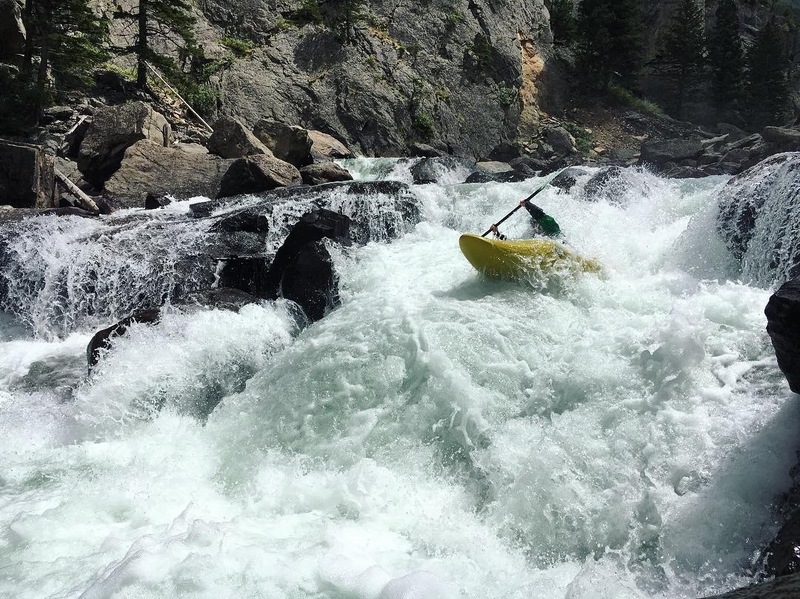
U.S. Senator Jon Tester reintroduced his Montana Headwaters Legacy Act (MHLA) on Thursday, setting the stage to double the number of protected river miles in Montana. If signed into law, the legislation would protect 20 rivers and 384 river miles in the Upper Missouri and Yellowstone river systems by adding them to the National Wild and Scenic Rivers System. A Wild and Scenic River designation is the highest form of federal river protection in the United States and would permanently protect the free-flowing nature, water quality, and outstandingly remarkable values of some of Montana’s most cherished rivers. Among the iconic waterways that would gain protection under the MHLA are the Boulder, Gallatin, Madison, Smith, Stillwater, and Yellowstone. We are asking for paddlers to encourage the other three members of Montana’s congressional delegation to get behind the Montana Headwaters Legacy Act in the coming weeks.
Montana Agency Proposes Paddling Prohibition on Fish Creek
09/20/2023 - by Kevin Colburn
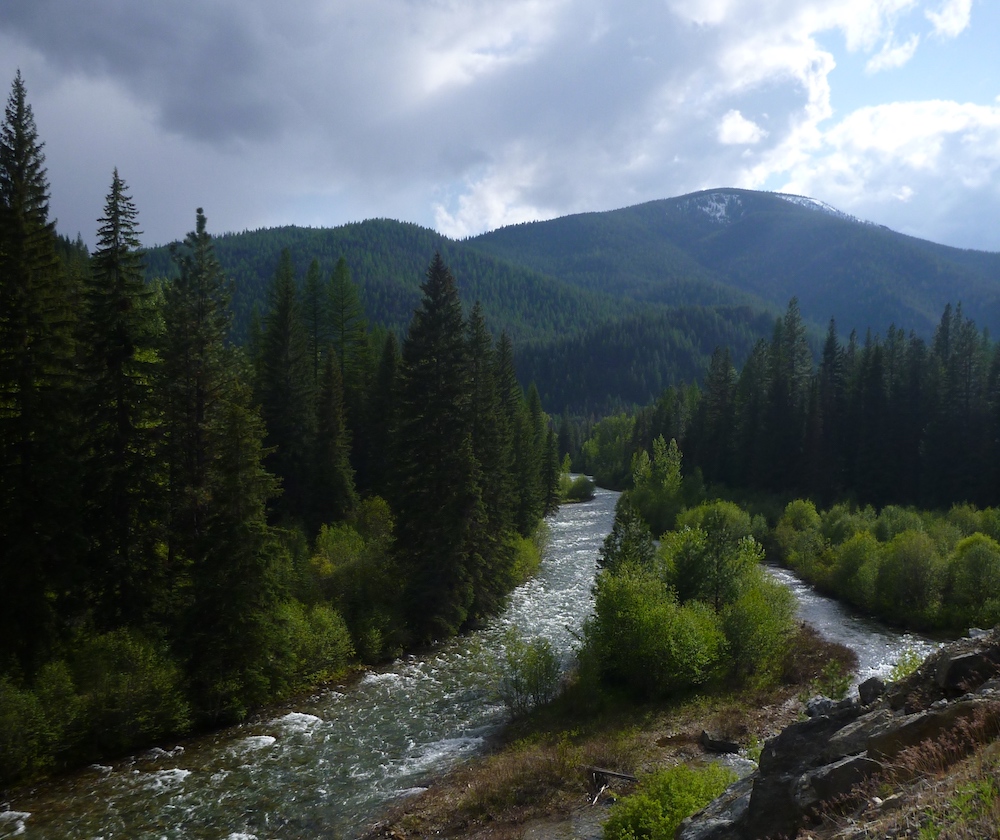
Earlier this week Montana Fish Wildlife and Parks proposed to prohibit paddling on the entire length of Fish Creek, located near the popular Alberton Gorge section of the Clark Fork River downstream of Missoula. Their rationale is both flawed and concerning, and the proposal marks a significant shift for a state that has a long history of strongly supporting the public freedom to float rivers. Paddlers across the state are encouraged to speak out to stop this overbearing proposal, as part of a public comment period open until October 20, 2023.
AW Wildfire Info Map Keeps Boaters Updated on Rivers Affected by Fires
07/27/2023 - by Scott Harding
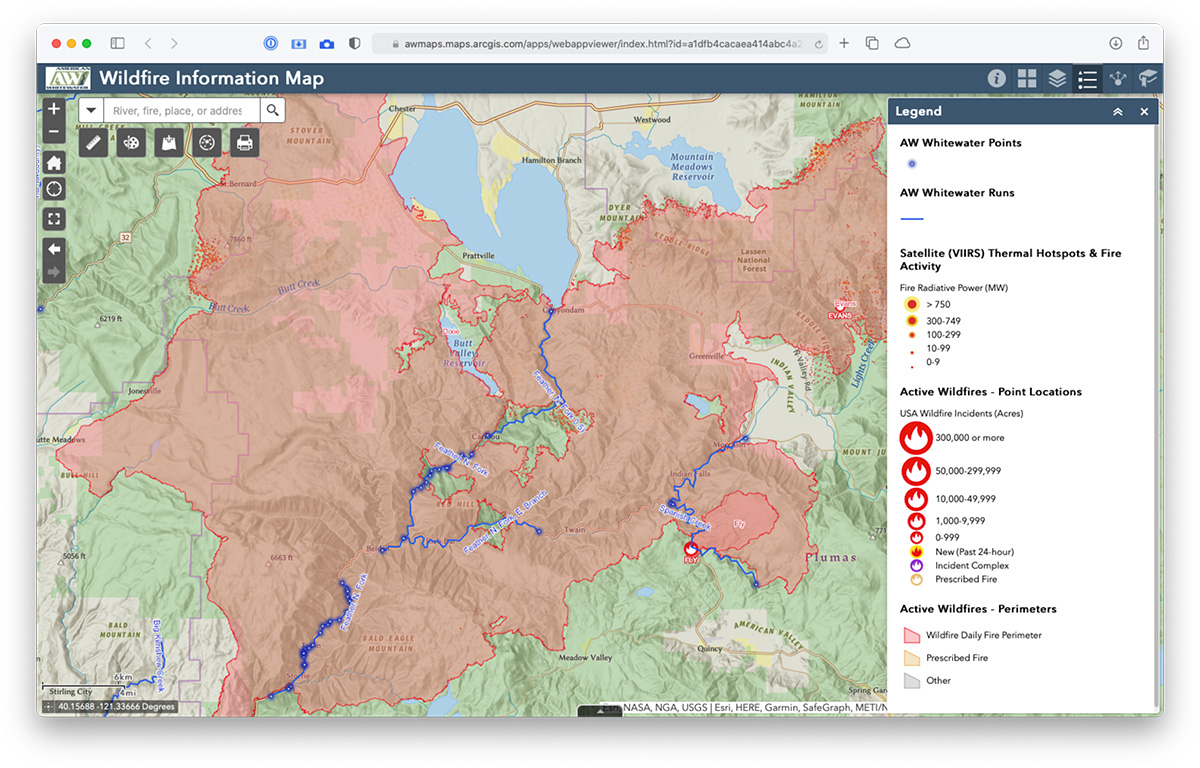
It's peak fire season in much of the country and active wildfires are currently burning along several whitewater rivers in the West. Be sure to check the American Whitewater Wildfire Information Map for the latest details on whether there's an active wildfire that could affect your boating trip or safety. It's the only map that combines detailed information on whitewater runs with constantly updated fire locations, air quality info, and more.
Help Protect the Greater Grand Canyon Area!
07/10/2023 - by Kestrel Kunz
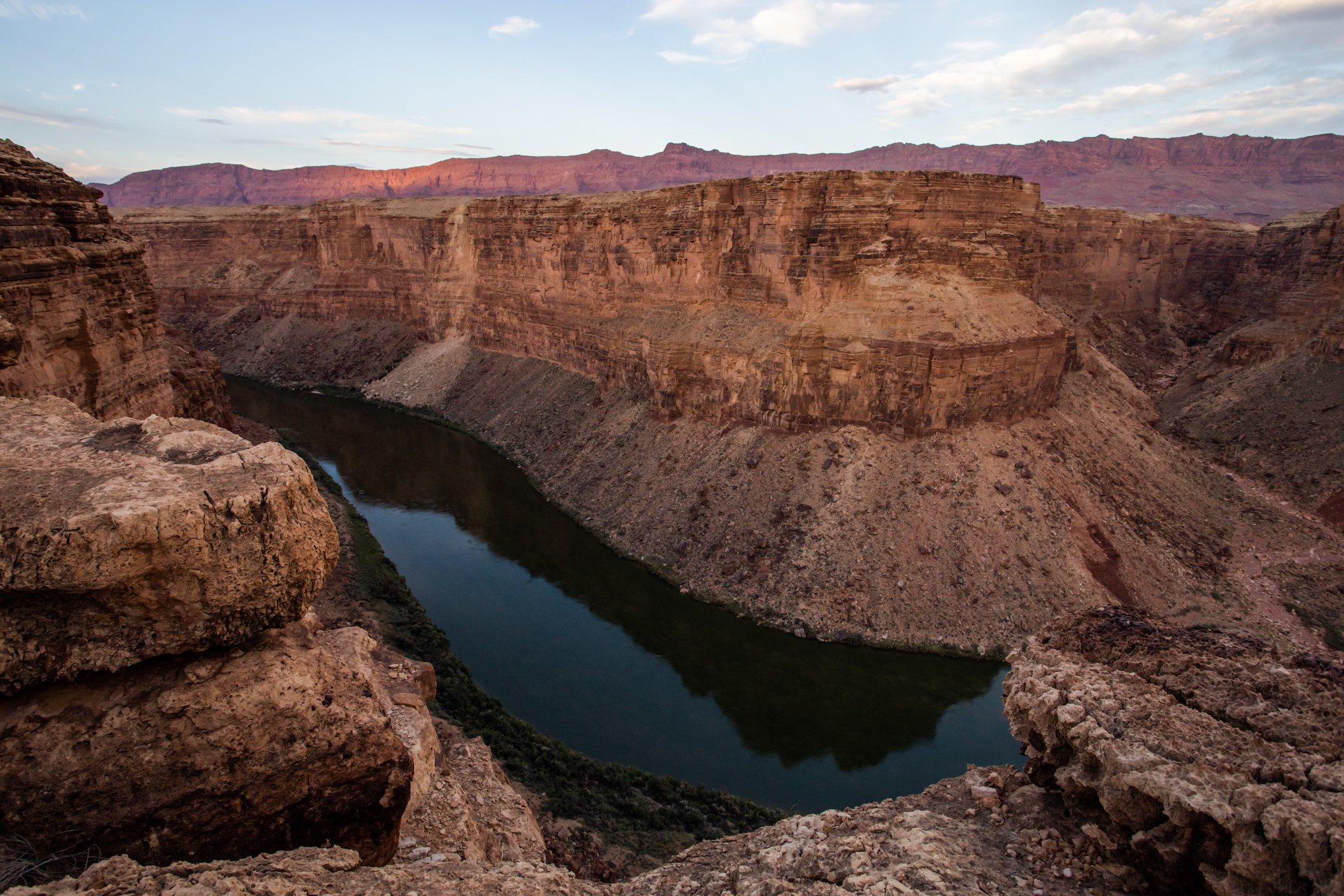
American Whitewater has joined a tribally led effort to protect 1.1 million acres surrounding the Grand Canyon as a National Monument. The Baaj Nwaavjo I’tah Kukveni Grand Canyon National Monument would protect important landscapes and sensitive tributaries on the north and south rims. Use your voice now to help protect the Grand Canyon by signing this petition! Please reach out to kestrel@americanwhitewater.org if you would like to volunteer as a local advocate for this effort in the greater Grand Canyon region. We need dedicated advocates to attend public meetings, author letters in local papers, and contact elected officials.
American Whitewater Challenges Ashley National Forest Plan (UT)
07/05/2023 - by Kevin Colburn
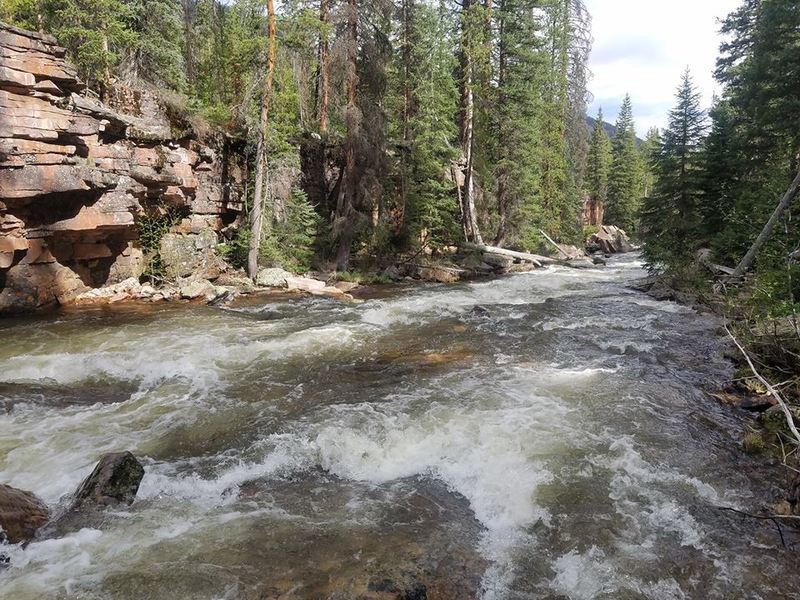
American Whitewater recently filed a formal objection to the newly revised Ashley National Forest management plan. The objection challenges the Forest Service’s decision to permanently release 28 rivers and streams from protection as potential Wild and Scenic Rivers after previously finding them eligible for such protections. Only two eligible streams retained protected status in the plan. The Forest is the first to attempt this release of river protections under the 2012 planning rule, which requires protection of eligible streams. The Forest’s attempt at systematically foreclosing river protections could lead to a rapid erosion of our nation’s wildest public-land streams in Utah and beyond, at a time when cold and clean water is more important than ever.
Year Two of Releases on Utah's Weber River Set
05/30/2023 - by Kevin Colburn
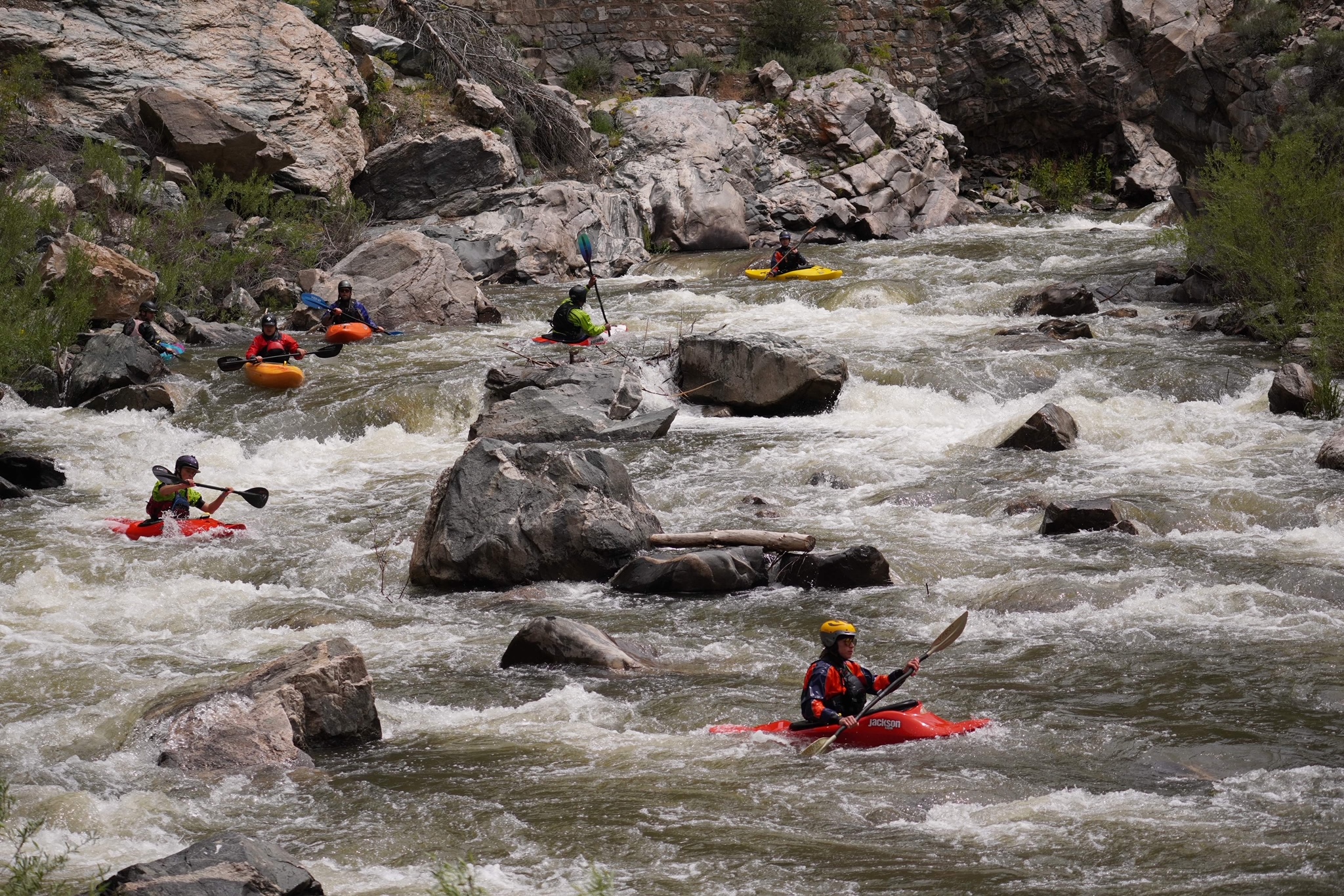
This year marks the second year of recreational releases on the Scrambled Eggs section of the Weber River in Utah! American Whitewater negotiated these releases over the past few years and is excited to celebrate year two, and wow what a different year it is! Unlike last year when getting a minimum paddling flow on release days was a minor miracle, this year release days could be quite high, after a long season of high flows. This year’s releases will be June 10 & 17 and July 1 & 15, between 10 and 2 pm. Enjoy!
Lolo National Forest (MT) to Begin Planning - Explore the Web Map
01/05/2023 - by Kevin Colburn
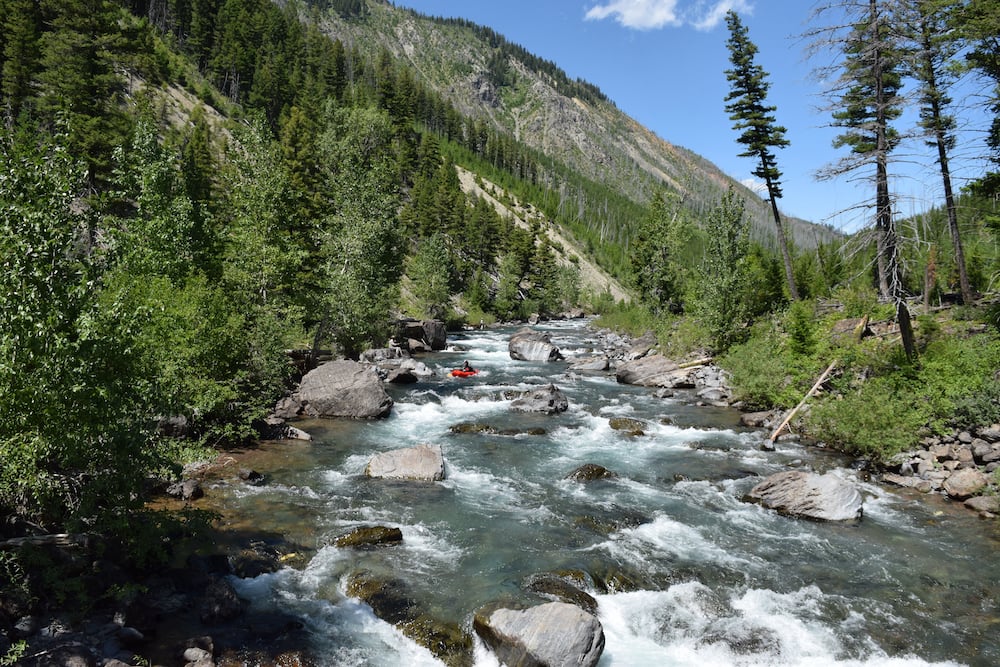
The Lolo National Forest, which encircles Missoula, Montana is gearing up to revise their forest plan starting this spring. The new plan will take a fresh look at which rivers merit protection as potential (eligible) Wild and Scenic Rivers and set recreational and other goals for the next 20 or so years. The process takes around 3 years, and there will be ample opportunities to get involved. Paddlers are encouraged to participate, and share their knowledge of rivers and streams. In this article we share a data-rich web map for paddlers to explore and some tips for how to get involved.
Proposed Crazy Mountain Land Swap Open For Comment (MT)
12/20/2022 - by Kevin Colburn
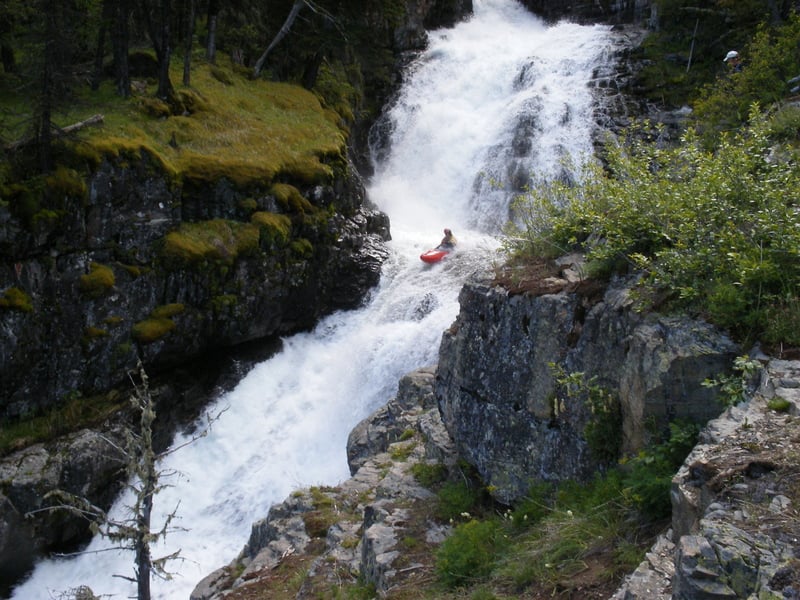
The Forest Service is considering a proposed land exchange in Montana that would trade away public lands along Big Timber and Sweet Grass creeks in the Crazy Mountains. The proposal appears unlikely to change paddling access or other values on Big Timber Creek, but access to Sweet Grass could be greatly reduced. This area is riddled with checkerboard ownership and has longstanding public access uncertainties. Hunters, anglers, and other backcountry enthusiasts have largely panned the proposal because it reduces public access. American Whitewater submitted a comment respectfully asking that the impacts to paddling be considered, and that the proposal be modified to improve rather than limit public access. Comments are due by December 23, 2022.

Comments Needed on Madison River Boating Limits (MT)
10/13/2022 - by Kevin Colburn
Unprecedented Win for Water Quality in Colorado!
06/24/2022 - by Kestrel Kunz
On June 14, Colorado’s Water Quality Control Commission voted 7-1 to protect 520 miles on 25 streams across Southwest Colorado, adopting the first proposal of its kind. American Whitewater and our partners have been hard at work over the past three years to prove that these high quality rivers and creeks deserve protection. Our proposal included beloved paddling segments like the headwaters of the Taylor River, Escalante Creek, Lime Creek, and many others that were acknowledged for their exceptional ecological and recreational attributes. Under the Clean Water Act, Outstanding Waters provide the highest level of water quality protections in Colorado. The designation acknowledges the high water quality that currently exists and ensures it is protected at that level for the future.
2022 Weber Releases Scheduled (UT)
05/27/2022 - by Kevin Colburn
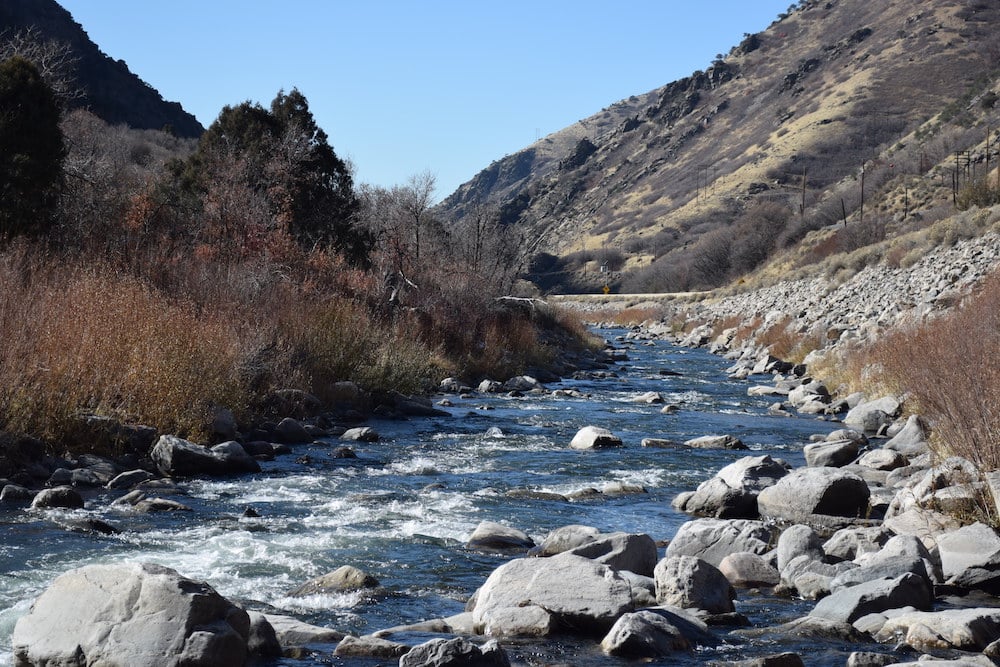
Recreational flow releases have been scheduled on the Scrambled Eggs Section of the Weber River for June 4, June 18, July 2, and July 9 of this year, subject to change if unexpected conditions occur. These are the first releases of their kind on this reach, following years of negotiations and studies that led to the issuance of a new 40-year federal license for the hydropower project. Flows will unfortunately be lower volume than expected this year. American Whitewater advocated for these releases throughout the long and challenging dam relicensing process with the support of local volunteers. This article covers what you need to know to enjoy the releases. Enjoy the Weber!
Sign Petition to Protect Water Quality in Colorado’s Rivers!
05/18/2022 - by Kestrel Kunz
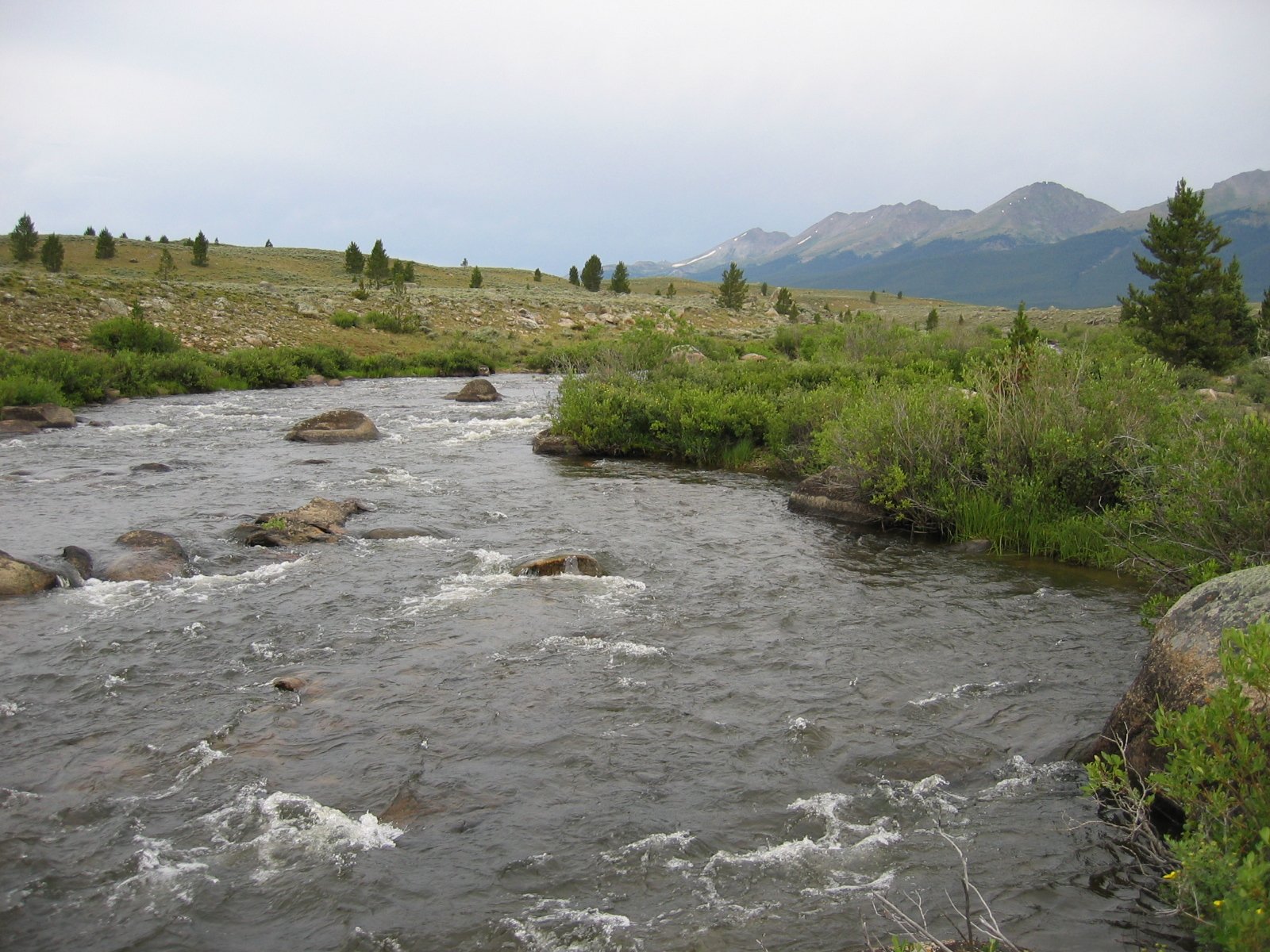
Sign here to protect water quality in Colorado’s exceptional rivers and creeks! American Whitewater and our partners are working to protect water quality in 26 creeks and rivers in Colorado. The designation of Outstanding Waters provides the highest level of water quality protections in Colorado. In order to qualify for Outstanding Waters designation, rivers must have existing high water quality, have exceptional ecological or recreational significance, and constitute a need for additional protection. These rivers include the Upper Taylor River, Escalante Creek, Lime Creek, Wolf Creek, and Roubideau Creek. We are also looking for members of the paddling community to provide written or oral testimony to the Water Quality Control Commission at the June 13 and 14 hearing. Please email Kestrel directly at kestrel@americanwhitewater.org to sign up to give testimony.

Weber Releases Get Green Light For This Summer! (UT)
05/09/2022 - by Kevin Colburn
On Friday, the Federal Energy Regulatory Commission (FERC) gave the green light for recreational releases to begin on Utah’s Weber River this summer! The move came when the agency approved the Whitewater Boating Plan, which was a critical step prior to the flow restoration called for in the new license for the Weber Hydroelectric Project. American Whitewater recently requested that FERC expedite approval of the plan so the public could enjoy the Weber River this year and we are delighted that they did so! With the plan now accepted, American Whitewater will quickly work with the power company to analyze flow forecasts and schedule the four negotiated Saturday releases between late May and mid-July. American Whitewater has spent the past seven years negotiating these releases. We hope paddlers enjoy them this year and in the future!

Ashley National Forest Proposes To Roll Back Required River Protections (UT)
03/03/2022 - by Kevin Colburn
The Ashley National Forest is a 1.4 million-acre National Forest in Utah that spans from the Uinta Mountains to Flaming Gorge. The Forest released their draft management plan late last year which, when finalized, will guide Forest management for the next 15-20 years. Unfortunately, the Forest’s draft plan proposes to strip protections from 26 of 28 streams they have deemed eligible for Wild and Scenic designation. American Whitewater recently filed comments on the draft plan alerting the Forest to their flawed approach. The Agency often takes a year to release the final plan following the release of the draft plan, after which plans are subject to administrative and legal challenges.
Making Policy Progress in Colorado
01/12/2022 - by Kestrel Kunz
The Colorado based stewardship team had the pleasure of working with a team of graduate students from the University of Colorado’s Masters of the Environment program in 2021. We set them up with the task of investigating the feasibility of a state run wild and scenic river protection program in Colorado. The team, Sarah Hamming, Sarah Heller, and Jack Sheehan, dove deep in literature to learn about the history and workings of the WSRA, other state programs and other mechanisms for protecting water in Colorado. Thanks to the far reaching stakeholder outreach of the students, the concepts have already been the topic of discussion in river conservation circles and will hopefully spark bold changes for the valuable waters of our headwaters state.
Gila Wild and Scenic River Bill Reintroduced and Gaining Speed (NM)
11/03/2021 - by Kestrel Kunz
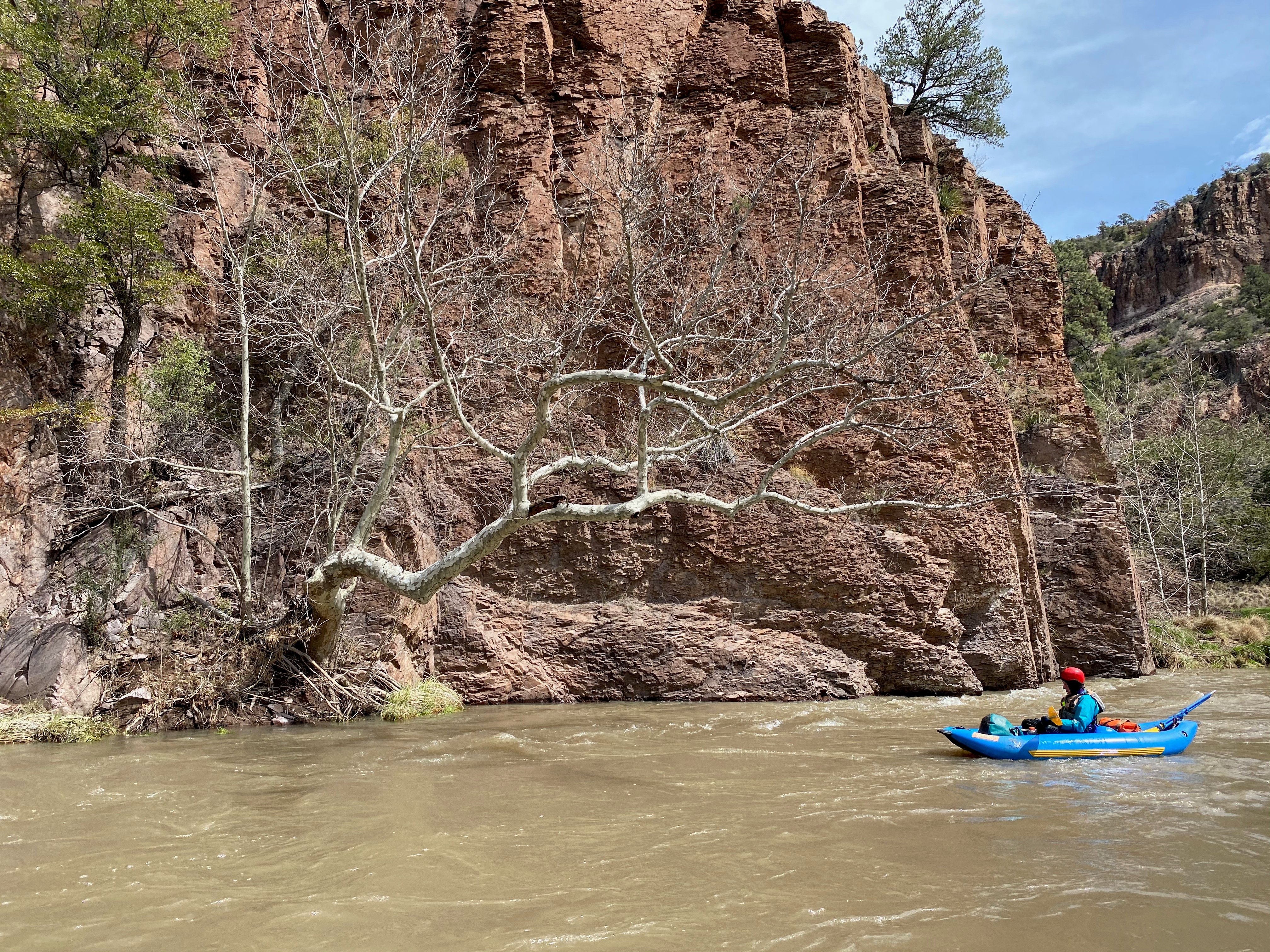
Today, Senators Martin Heinrich and Ben Ray Luján reintroduced the M.H. Dutch Salmon Greater Gila Wild and Scenic River Act. The Act, officially reintroduced on November 2, is poised to protect over 440 miles of free-flowing rivers and streams in the Gila and San Francisco watersheds in New Mexico. The success of this campaign wouldn’t be possible without the support of our local partners that have championed this effort and our dedicated members. Over the past couple years, thousands of paddlers and river lovers have voiced their support for protection of the Gila watershed by writing directly to our legislators, signing petitions, and sharing personal stories of the Gila. Your voices have been heard and securing permanent protection for the Gila and its tributaries is nearing the finish line. While the reintroduction of this bill comes as a great win, there is still lots of work to ensure that the legislation is passed through Congress. We will be working to get this across the finish line - for good. Please take a moment to thank the Senators for their hard work and dedicated to protect the Gila River!
Proposed Hydropower Dams on Little CO River Stopped (AZ)
08/03/2021 - by Kestrel Kunz
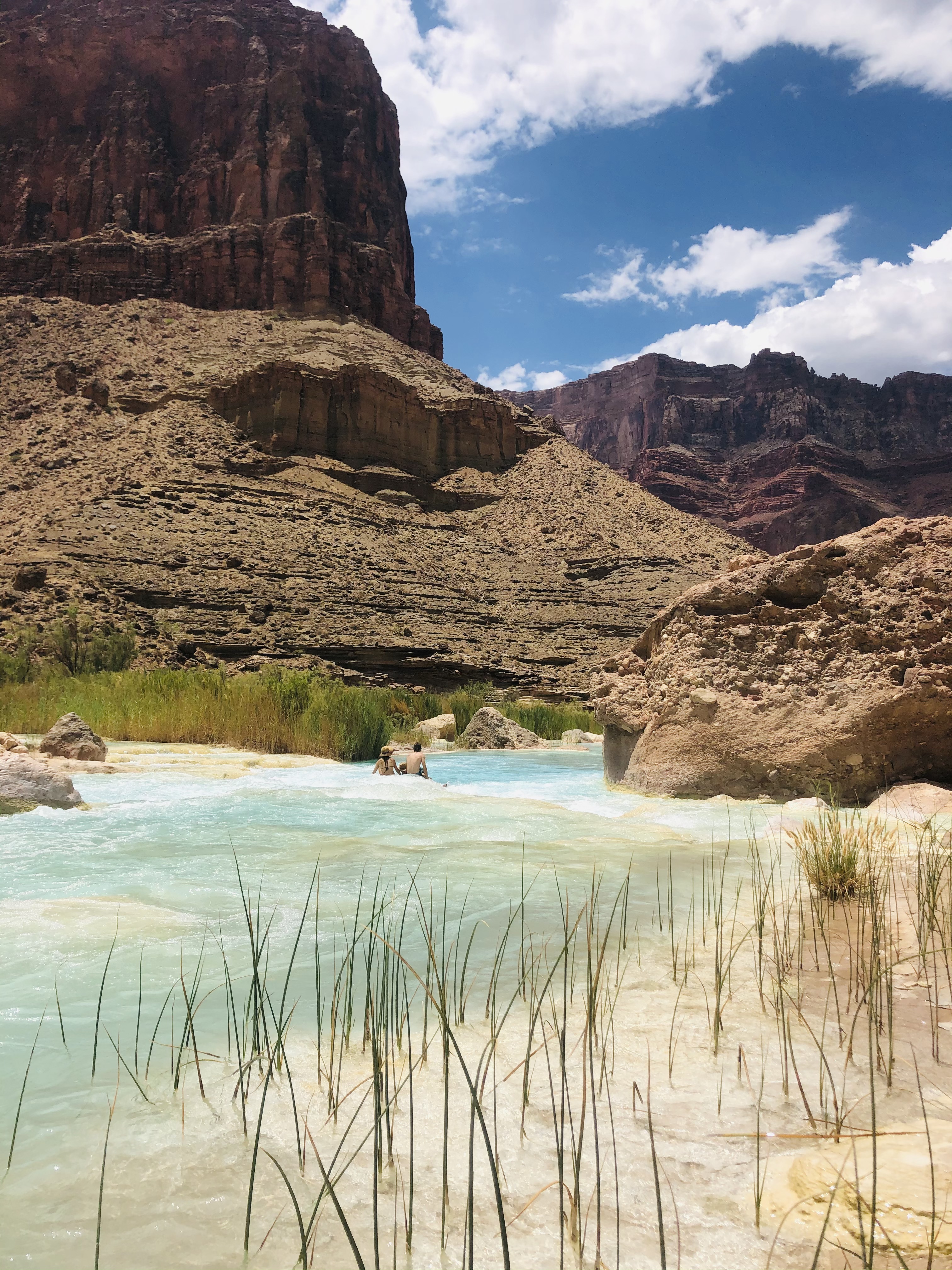
This week, I returned from a 19-day Grand Canyon trip to learn that two proposed hydropower projects on the Little Colorado River had been formally abandoned. On July 26, Pumped Hydro Storage LLC officially surrendered their two preliminary permits for the Salt Trail Canyon and Little Colorado River Pumped Storage Projects. These two projects received preliminary permits from the Federal Energy Regulatory Commission (FERC) in 2019 and if completed, would have inundated 4.5 miles of the Little Colorado and created 4 dams up to 240 feet high. American Whitewater and our members were among hundreds of commenters that opposed these hydropower projects, including multiple native tribes whose sacred lands would have been irrevocably destroyed.

Water Quality Rollback Stopped, Issues Unresolved (CO)
06/18/2021 - by Kestrel Kunz
At 5pm tonight, Colorado’s Water Quality Control Commission voted not to rollback the antidegradation rule that has for decades helped to keep our rivers clean. However, they did uphold their ability to make arbitrary decisions on polluting Colorado’s waterways - like they did on the South Platte in 2020 - for the next ten years. The outcome followed a two-day hearing earlier this week, during which the antidegradation rule was discussed at length. While we still have a long road ahead, Coloradans were able to stop what would have been an atrocious rollback of protections for Colorado’s beloved streams. Thank you to those that stood up and took action to protect Colorado's water quality!

Explore Northern Rockies Rivers with Purpose This Year
05/14/2021 - by Kevin Colburn
Documenting your experiences on rivers in the Northern Rockies this summer could help secure lasting protections for those rivers. Several key landscapes are under review for protections by Congress and the US Forest Service, but we lack the kind of compelling descriptions and photos that can inspire and inform decision makers to offer rivers and their enjoyment key protections. So we need your help. As you explore rivers in the focal areas noted in this article, we encourage you to paddle with a purpose: take photos highlighting river values, take video, and take notes on recreational and ecological values - then share your content with American Whitewater.