Baird Creek
Moon Valley Drive to end of gradient (<0.5 mile)
Apr 22, 2017
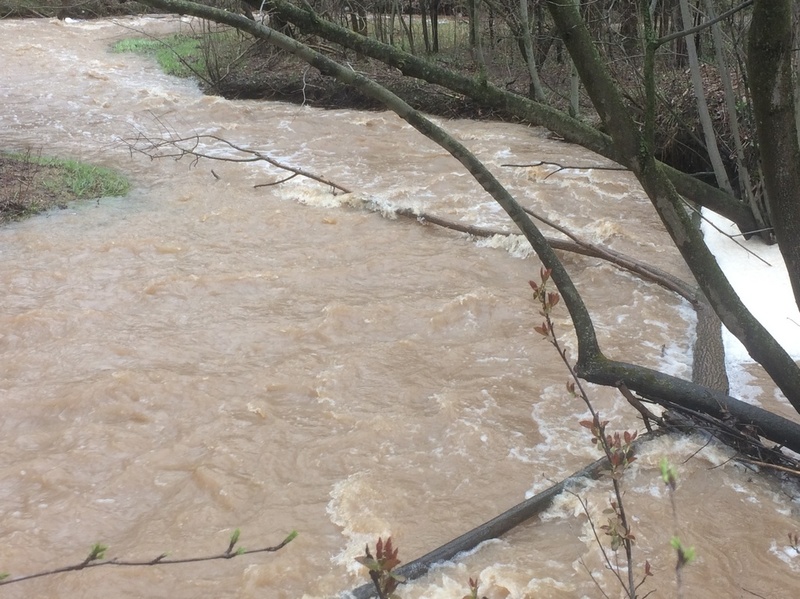
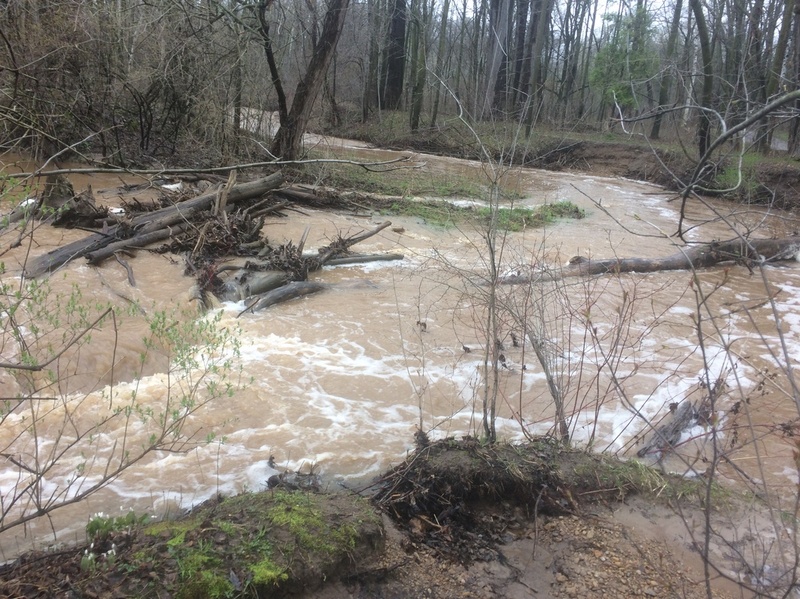
Strainers (branches and trees, generally still attached to shore) randomly will occur in this creek.
Apr 22, 2017
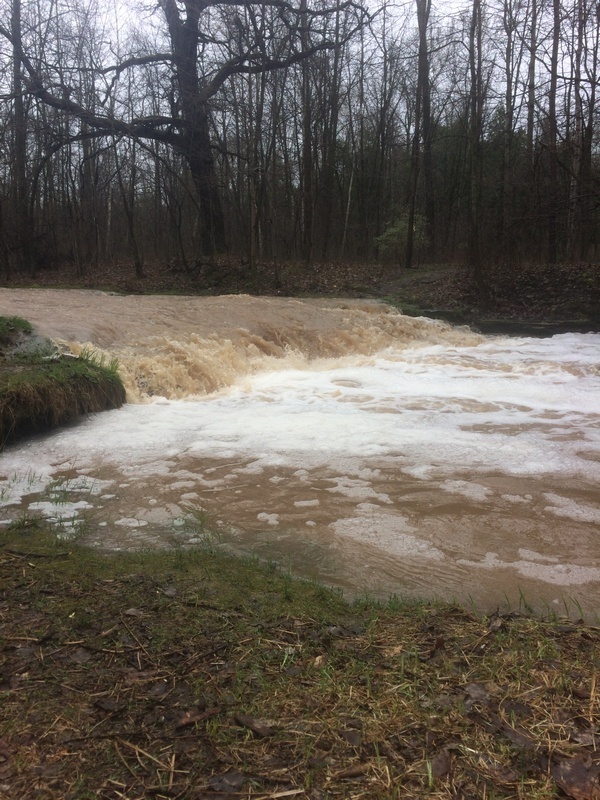
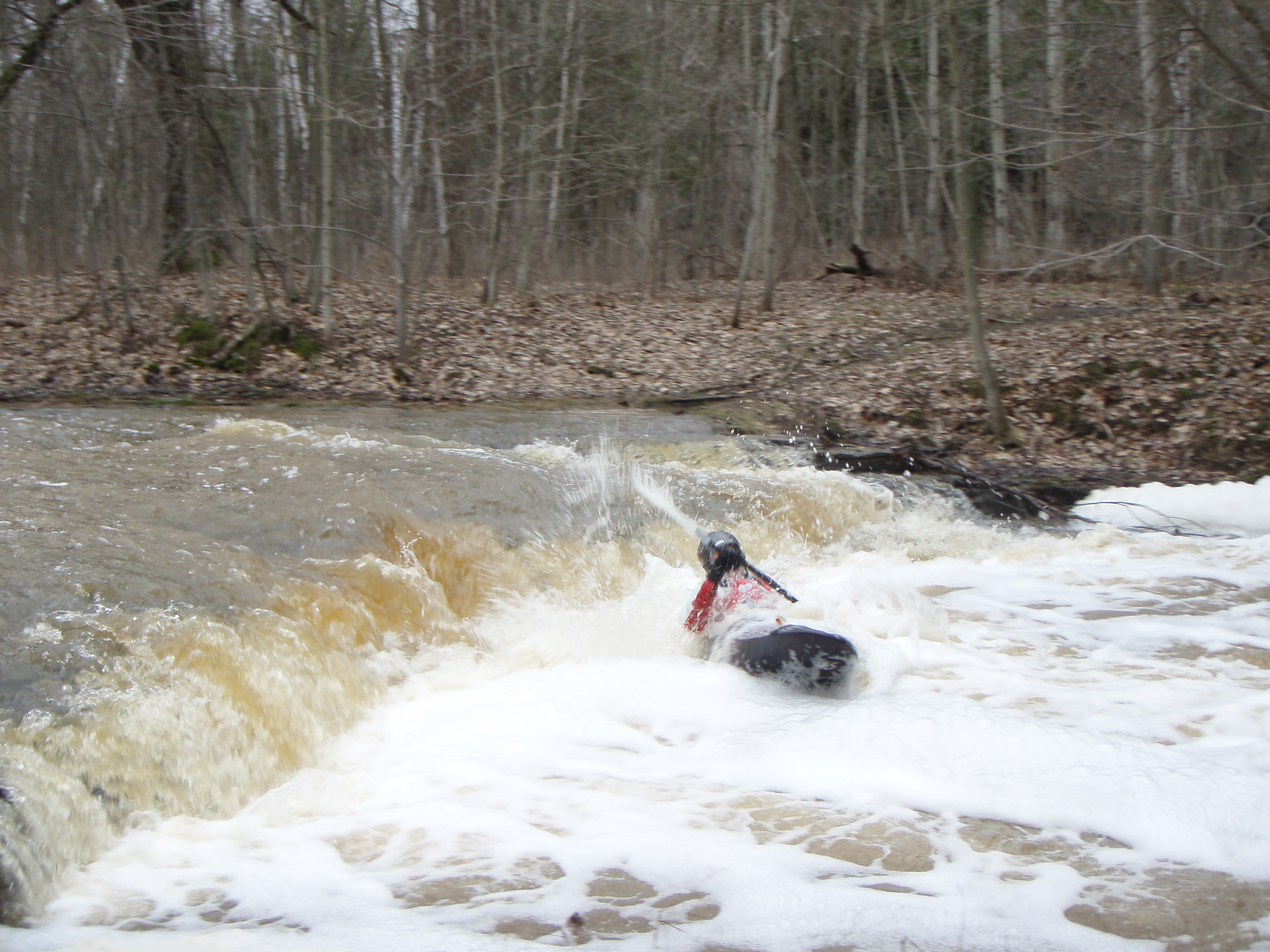
Right around the bend from the put-in, the first ledge can be a very sticky hole! (Photo is at a marginally boatable flow, when it is fairly benign.)
Apr 22, 2017
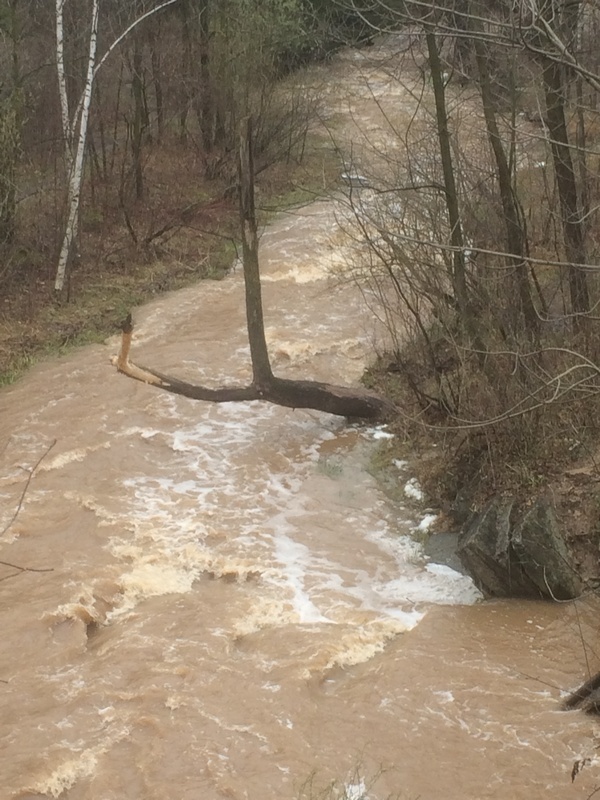
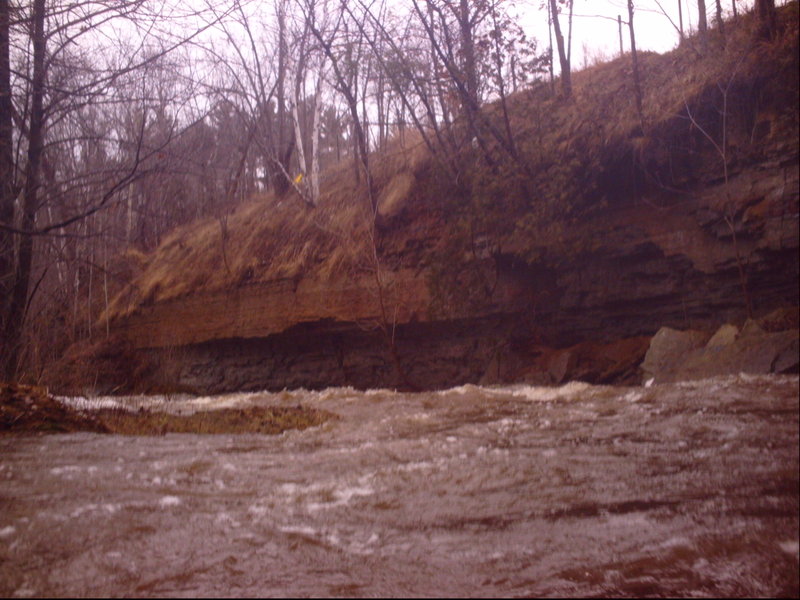
Just beyond the railroad and the vertical rock wall, for years and years, this tree has overhung the river. It is possible to make a strong move to the left to avoid the tree, but the current is pushing you hard and fast toward it!
Apr 22, 2017
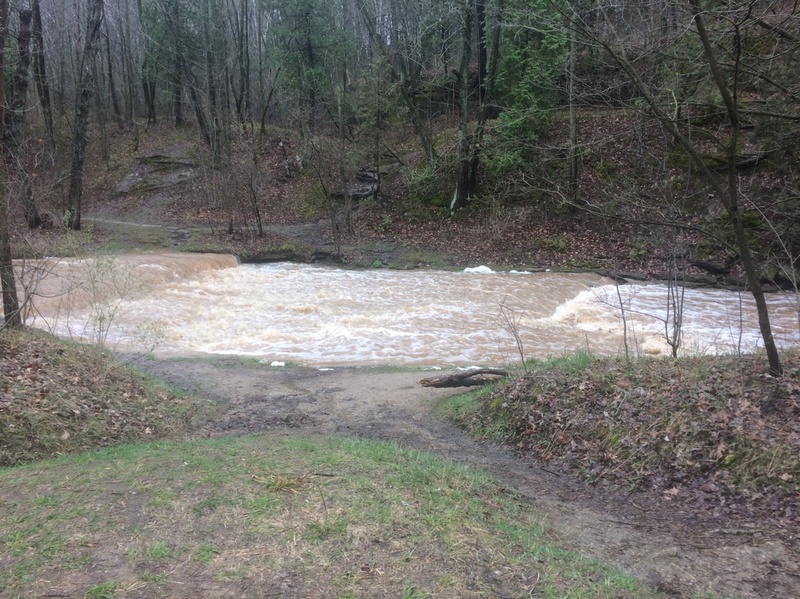
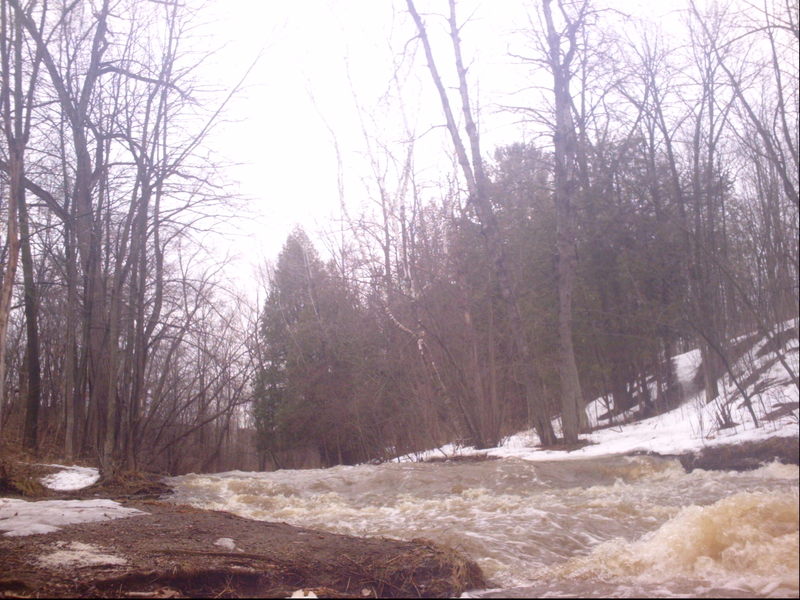
Walking down from the Baird Creek Trail parking area, this is the view of the short ledges which occur there.
Apr 22, 2017
Accumulations of deadfall (branches, logs, and whole trees) randomly will occur in this creek.
Apr 22, 2017
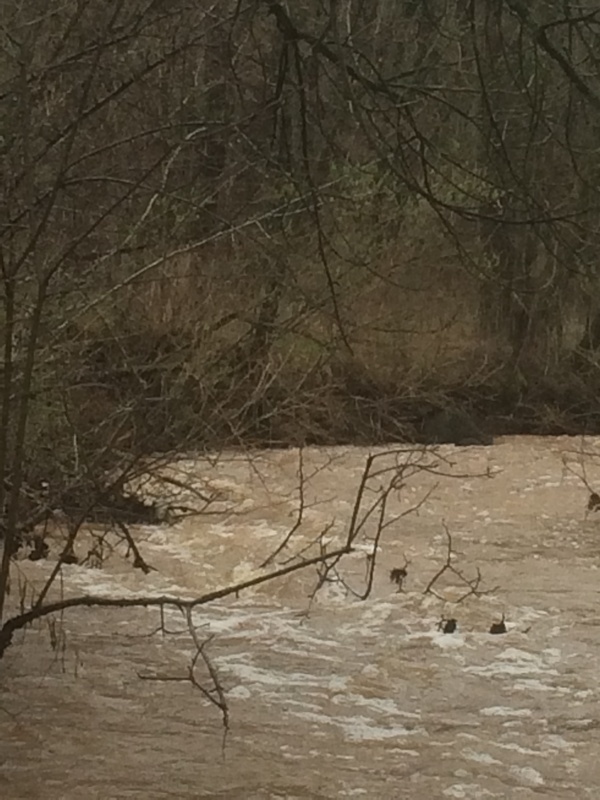
Sweepers (relatively smaller branches from trees and shrubs on shore) randomly will occur in this creek.
Apr 22, 2017
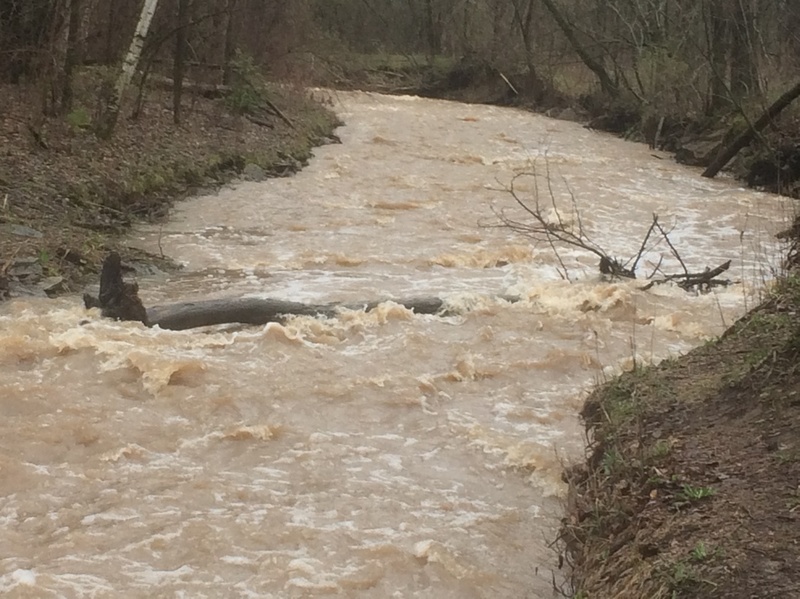
Dead wood (branches, logs, whole trees) may hang up at random places in the creek. Sometimes they may align such that they are passable. More often, they will block your safe passage. Sometimes it may be possible (before your run) to carefully dislodge them from shore to let them float downstream (where they will likely hang up again somewhere else).
Mar 20, 2011
This short (park-and-carry-up) run hosts a good number of short ledges such as seen in this photo. At good flows, some may provide a bit of repeat play (surfs and spins). All will be quite shallow, so no vertical moves, and any flips will likely result in contacting the bedrock bottom. Pools are generally short, so you'll have to be quite aggressive to stop and stay in the pool for any repeat play. Mostly, the run is fun to just bobble down some fine continuous in-town gradient.
Mar 20, 2011
After passing under the railroad trestle, the creek takes a sharp turn to the left as it encounters a wall of rock. Just beyond this point, a tree overhangs the creek from the river-right bank. Skilled paddlers should be able to negotiate this obstacle, but it merits a look before putting in. Eddies are hard to find, and moderate-to-high flows may make avoiding it difficult.
May 27, 2004
Three of us ran this stretch yesterday at 140 cfs, which was definitely enough water for a run. A short but very fast and non-stop Class II+ run. We ran it twice. Very fun. Deadfall is definitely a hazard and eddies are few.