Snake
I) Hells Canyon Dam to Pittsburg Landing(Hells Canyon)
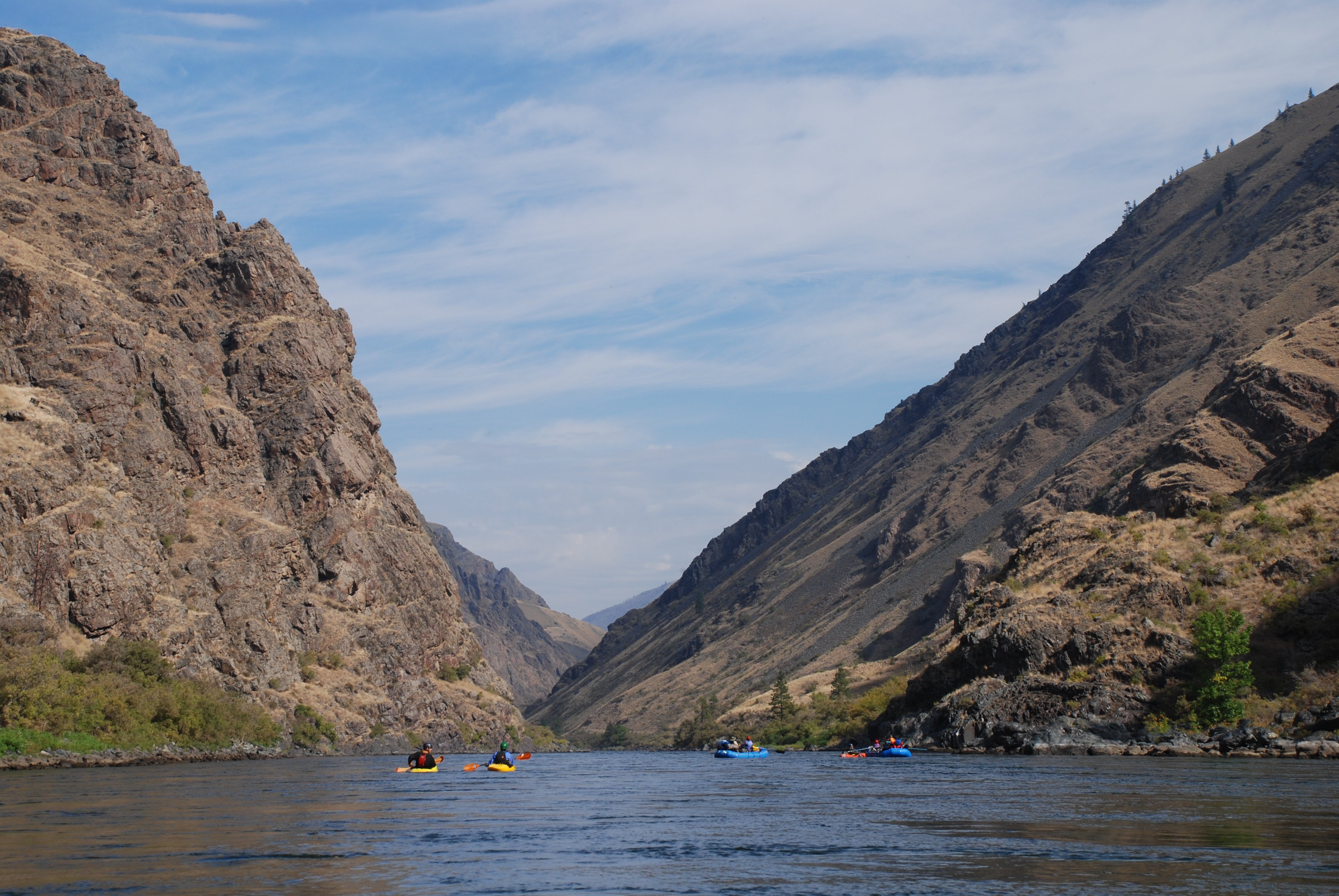
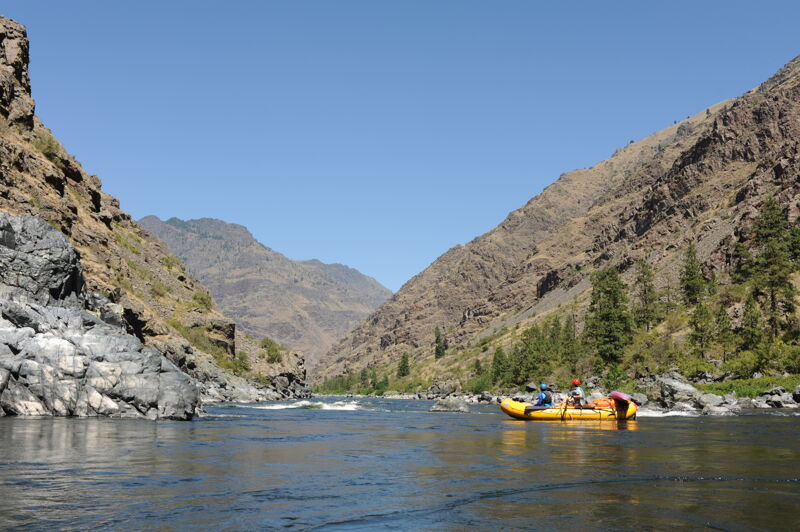
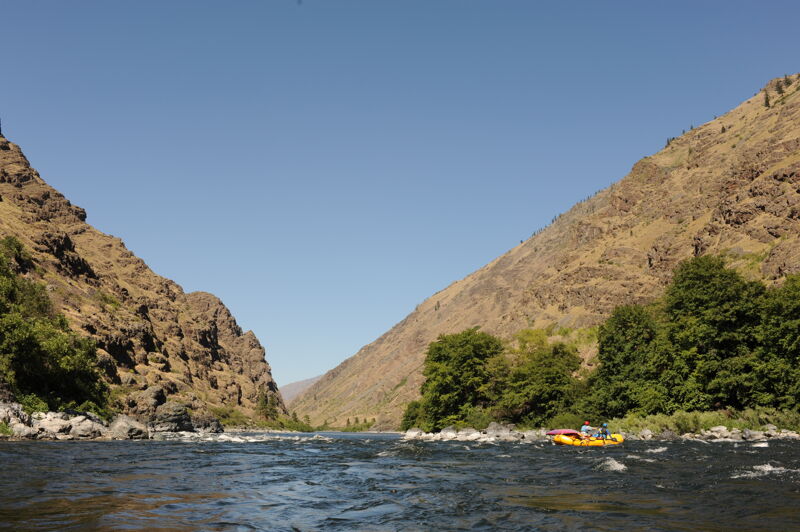
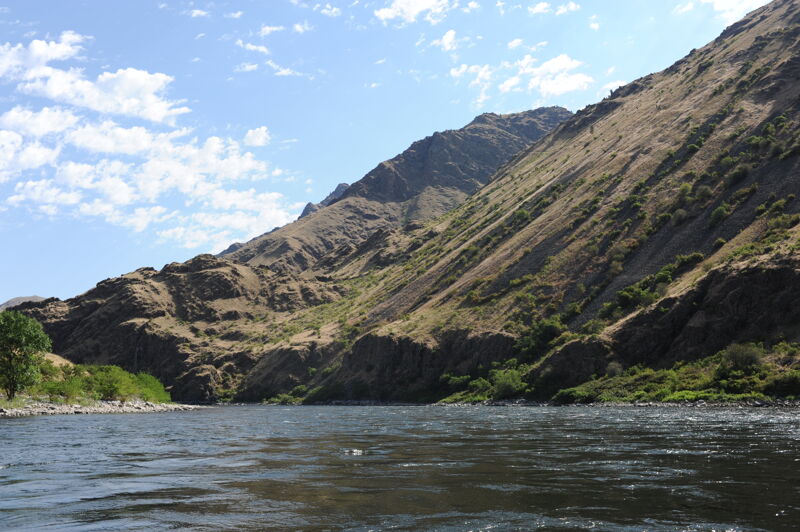
Hells Canyon is a jewel of the Snake River protected in 1975 when the Hells Canyon National Recreation Area was established to stop the construction of new, destructive dams that would have flooded the canyon. At the same time, the river was designated as a Wild and Scenic River, with 32.3 miles from the dam, downstream, classified as a wild river. Another 34 miles below that is classified as scenic. This historic conservation victory was realized shortly after construction of the Hells Canyon Dam complex upstream of the put-in that was completed between 1959 and 1967 and blocks upstream migration for salmon and steelhead and other species. In addition to burying great whitewater beneath the stagnant waters of the reservoirs, these dams eliminated great fall chinnook runs upstream to Shoshone Falls, and into tributary streams like the Boise, Payette, Malheur and Owyhee. The impacts of the upstream dams on the river are evident by the lack of beaches and heavily armored banks characteristic of a sediment-starved river.
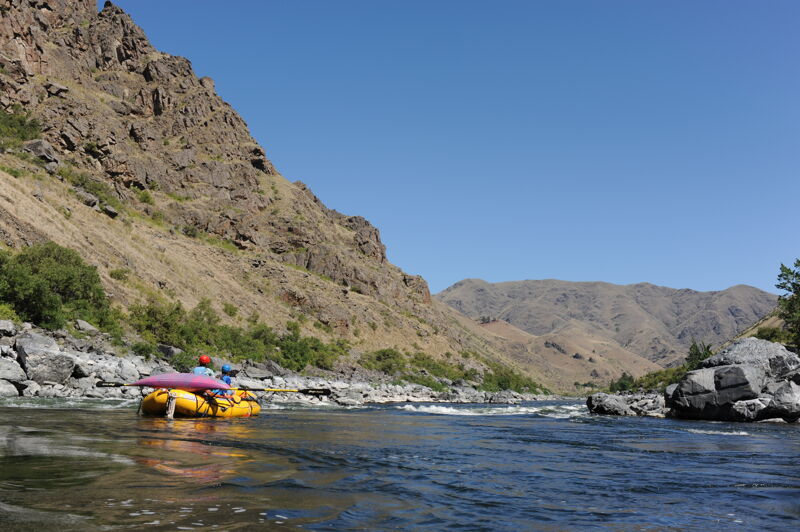
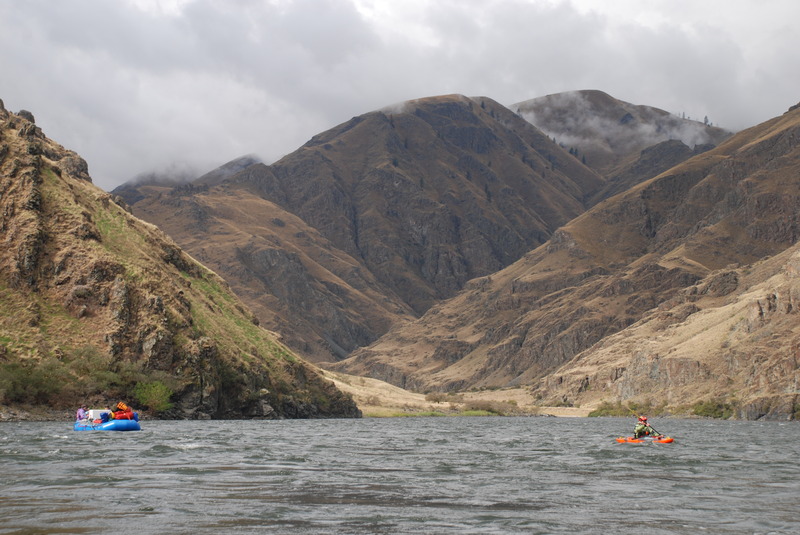
Hells Canyon is the nation's deepest river canyon averaging 5,500 feet below the rim for some 75 miles, and reaching depths of more than 8,000 feet below the Seven Devils Mountains on the Idaho side of the river. The result is a very scenic 3-4 day trip with a number of class II-III rapids and two class IVs. The Wild and Scenic Snake River Boater's Guide is available from the US Forest Service, giving detailed information on campsites, rapids, and regulations. A lottery permit season runs from late May to early-mid September. Before and after the lottery season, only a self issue permit is required and can be obtained for free at the launch site.
In addition to the whitewater and scenery the river has a rich human history. The Canyon is ancestral home of the Nez Perce people, and other tribes of the region were in and out of the canyon as well. White settlement occurred in the late 1800’s and early 1900s--sheep and cattle ranchers and pr
...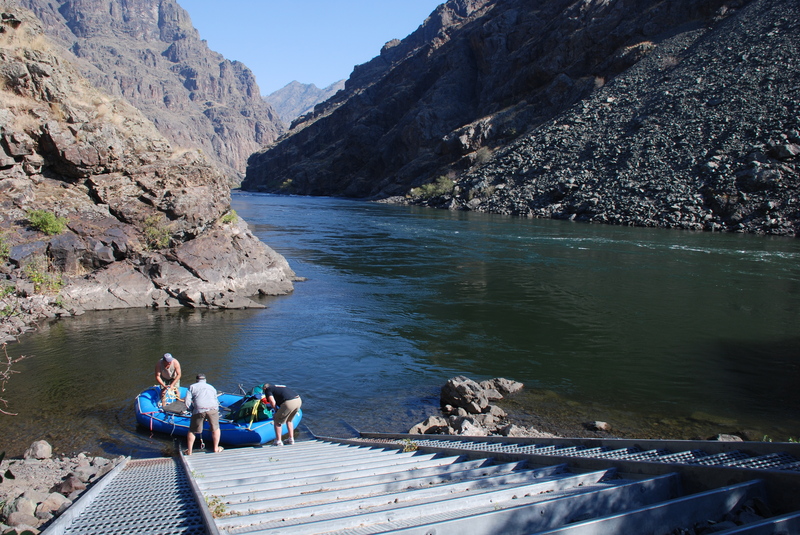
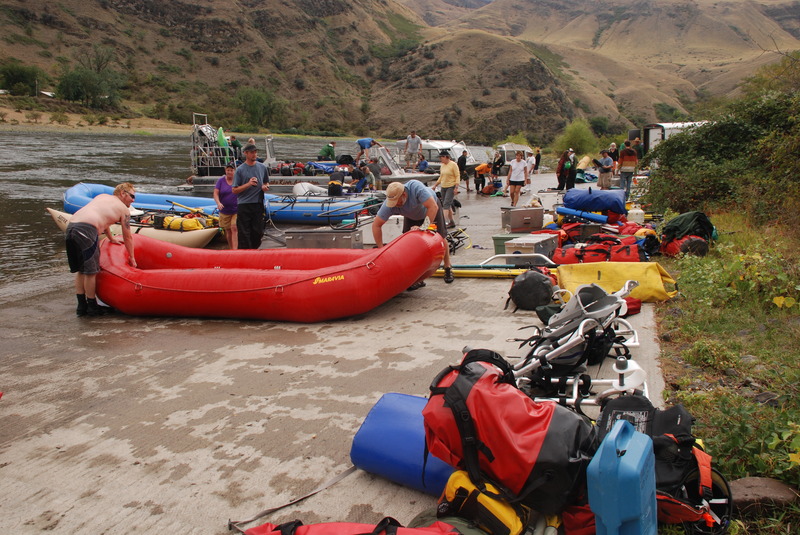
Access is at a ramp on river left just downstream of the dam. Trailers should go to the ramp just upstream of the raft slide (pictured) to unload pre-rigged boats and jet boats. Raft slide is great for those needing time to inflate and rig.
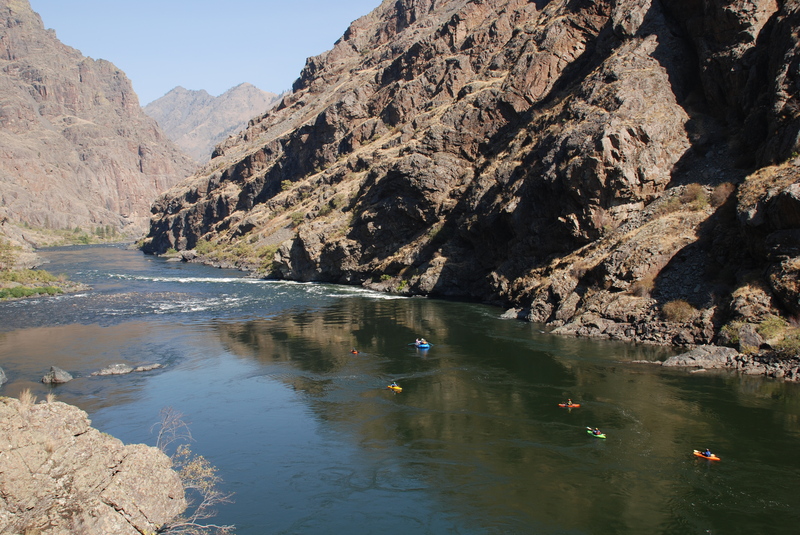
Easy rapid visible from the put-in. Located at USGS River Mile 246.7.
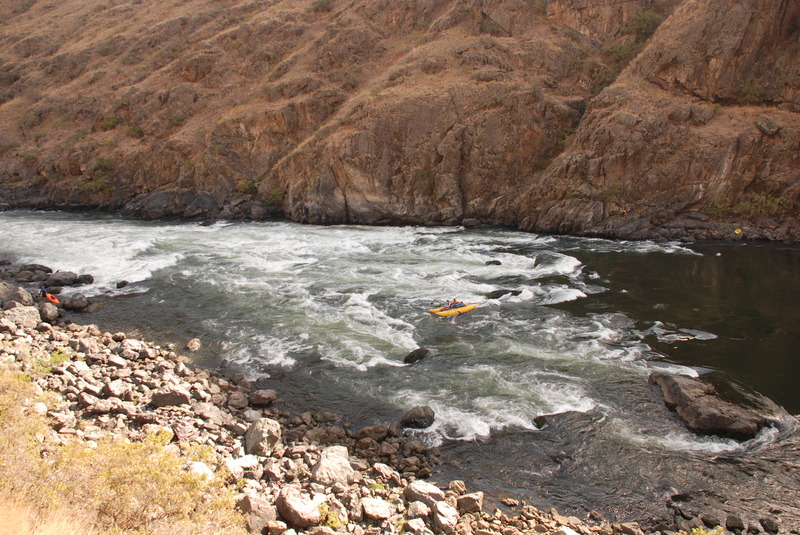
One of the big drops. It can be scouted from river left. Located at USGS River Mile 241.2.
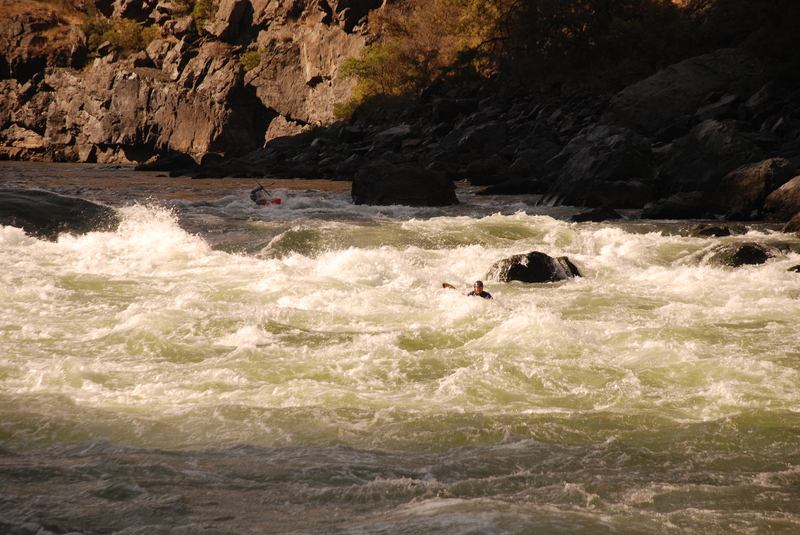
One of the big rapids. Located at USGS River Mile 239.2. Scout on river right just below Lower Granite Camp. Worth a look, especially over 19,000 cfs.
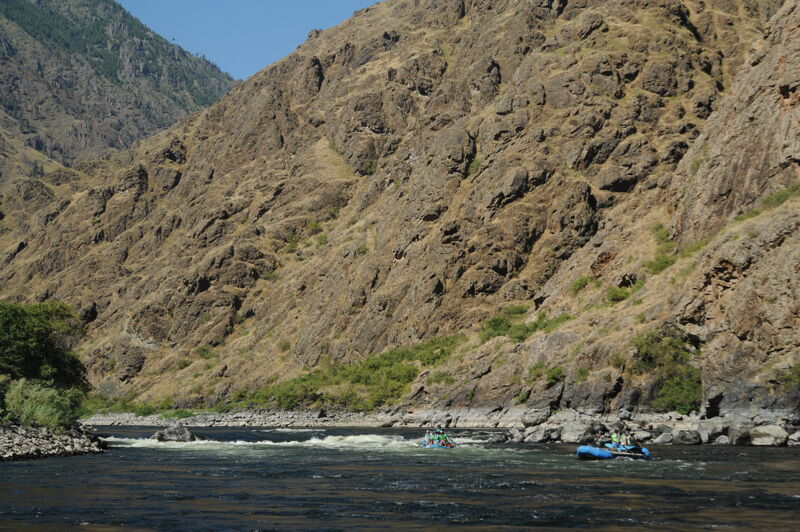
Located at USGS River Mile 235.2.
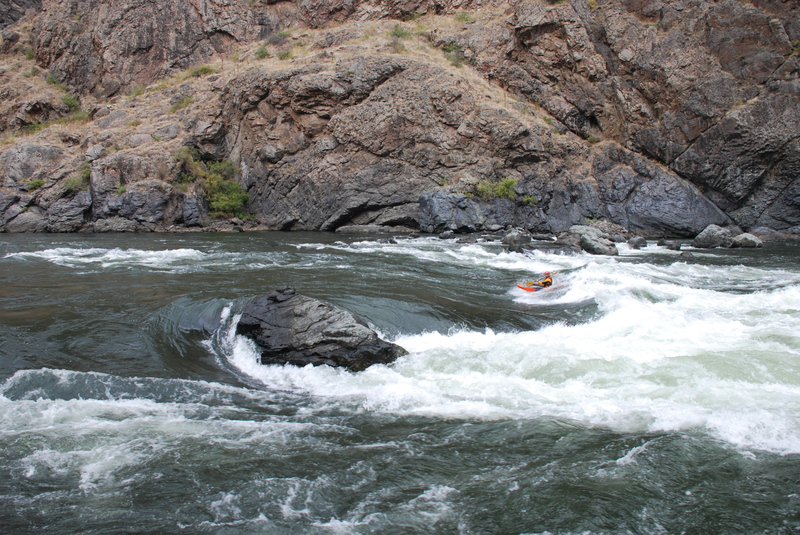
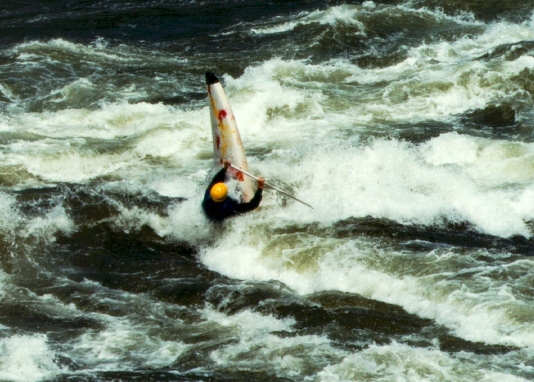
Great surfing for the kayakers. Located at USGS River Mile 235.
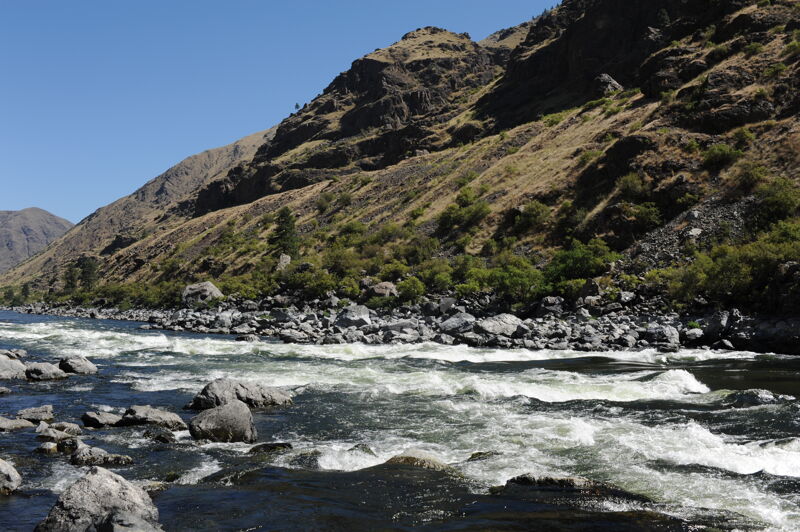
Look out for the big sleeper hole on the lower left; at low water Waterspout is run from center left and then driving hard right before you get to the bottom. Above 14,000 cfs options abound, scout for optimum fun. Scout from the trail on river right but beware of the rattlesnakes and poison ivy. Located at USGS River Mile 233.7.

Located at USGS River Mile 231.7. Clear wavetrain down the right. Great practice for Rush Creek just around the next bend.
Similar character to Sluice Creek but with steeper gradient and a mid-river boulder at the top in the center that can form a boat-sized hydraulic behind the horizon line. Clear wavetrain down the right and a spicy option left of the boulder. Located at USGS River Mile 231.4.