
Safety has been a core issue for AW since 1954, and today we are leaders in accident analysis and safety education. Formal risk management is part of all our programs. We work hard to publicize safe practices that help every American enjoy our rivers safely, and we advise legislative bodies and river managers on the best ways to educate whitewater paddlers. If you look back through the pages of the August 1955 and Winter 1957 American Whitewater Journal, you’ll see the International Scale of River Difficulty, the codification of a class I-IV whitewater classification system, was developed internationally and adopted and promoted by American Whitewater. Outdoor recreation and whitewater paddling specifically have inherent risks, however many whitewater accidents, especially for less experienced boaters, are preventable with some very basic whitewater safety knowledge.
River recreation can be one of the most rewarding experiences of your life. The clean water, wild places, and adventure with family and friends can all add up to an unforgettable time.
The International Scale of River Difficulty is the American Whitewater version of the rating system used to compare river difficulty worldwide. The scale is not exact. Rivers do not always fit easily into one category, and regional or individual interpretations may cause misunderstandings.
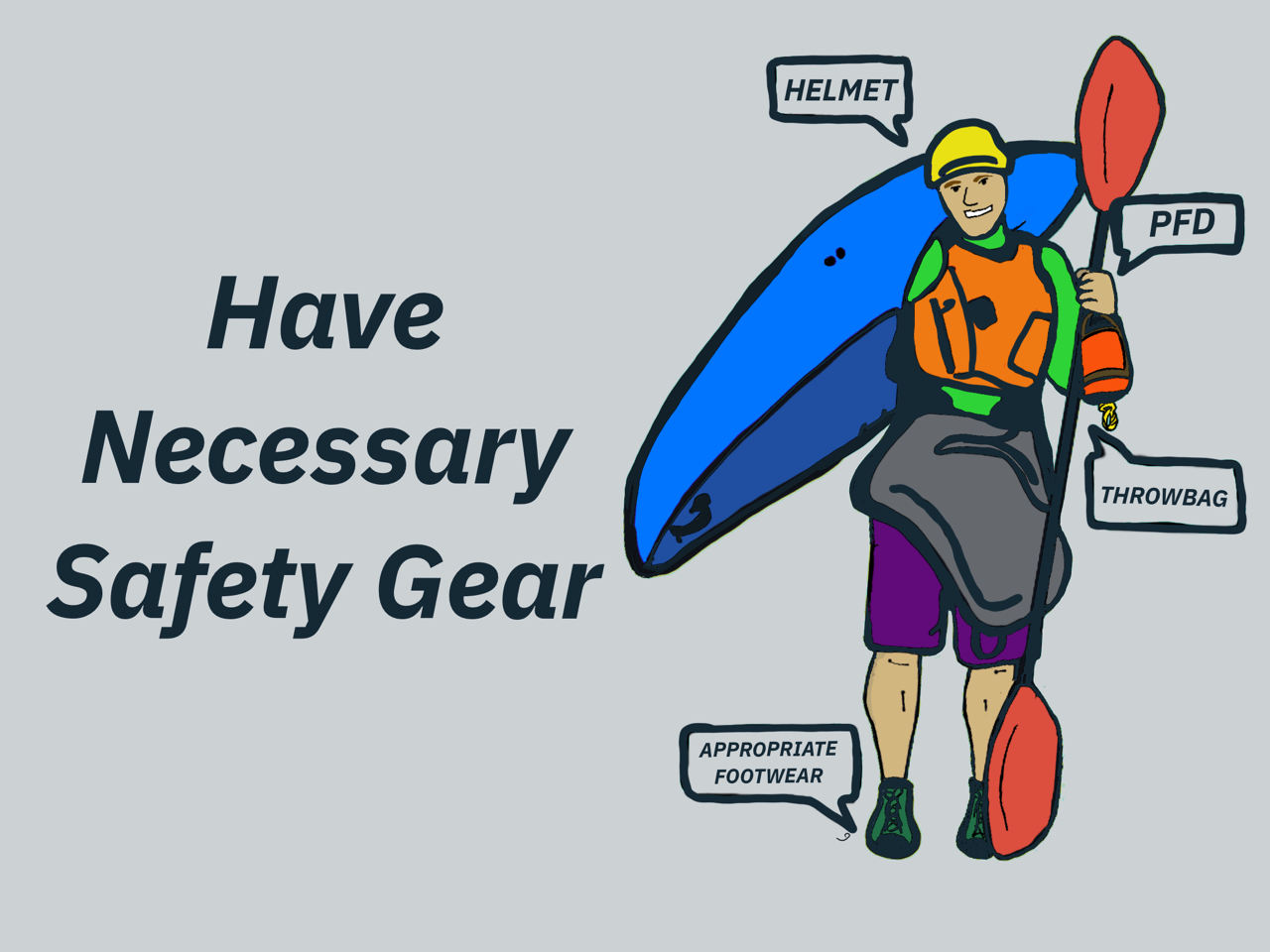
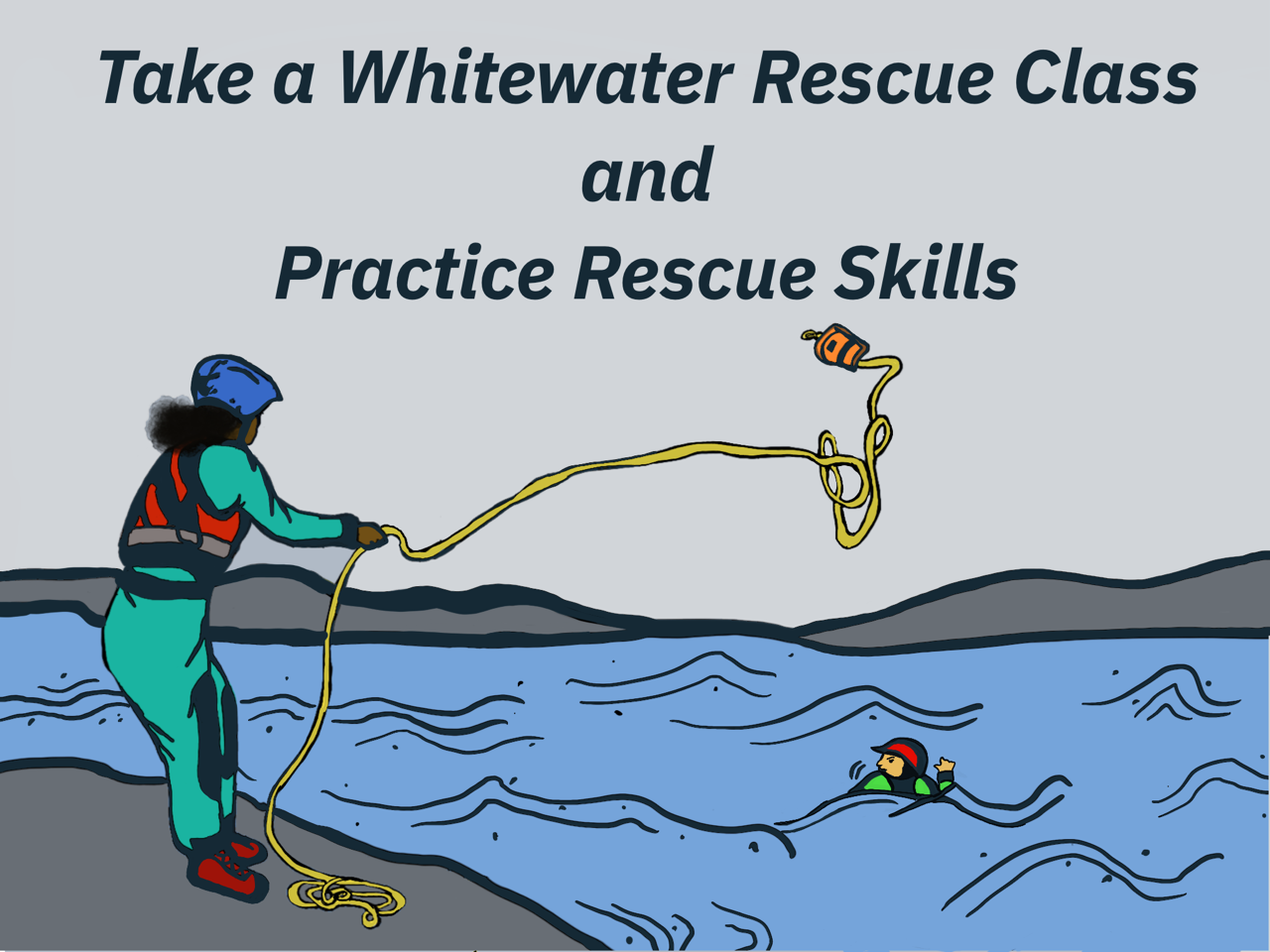
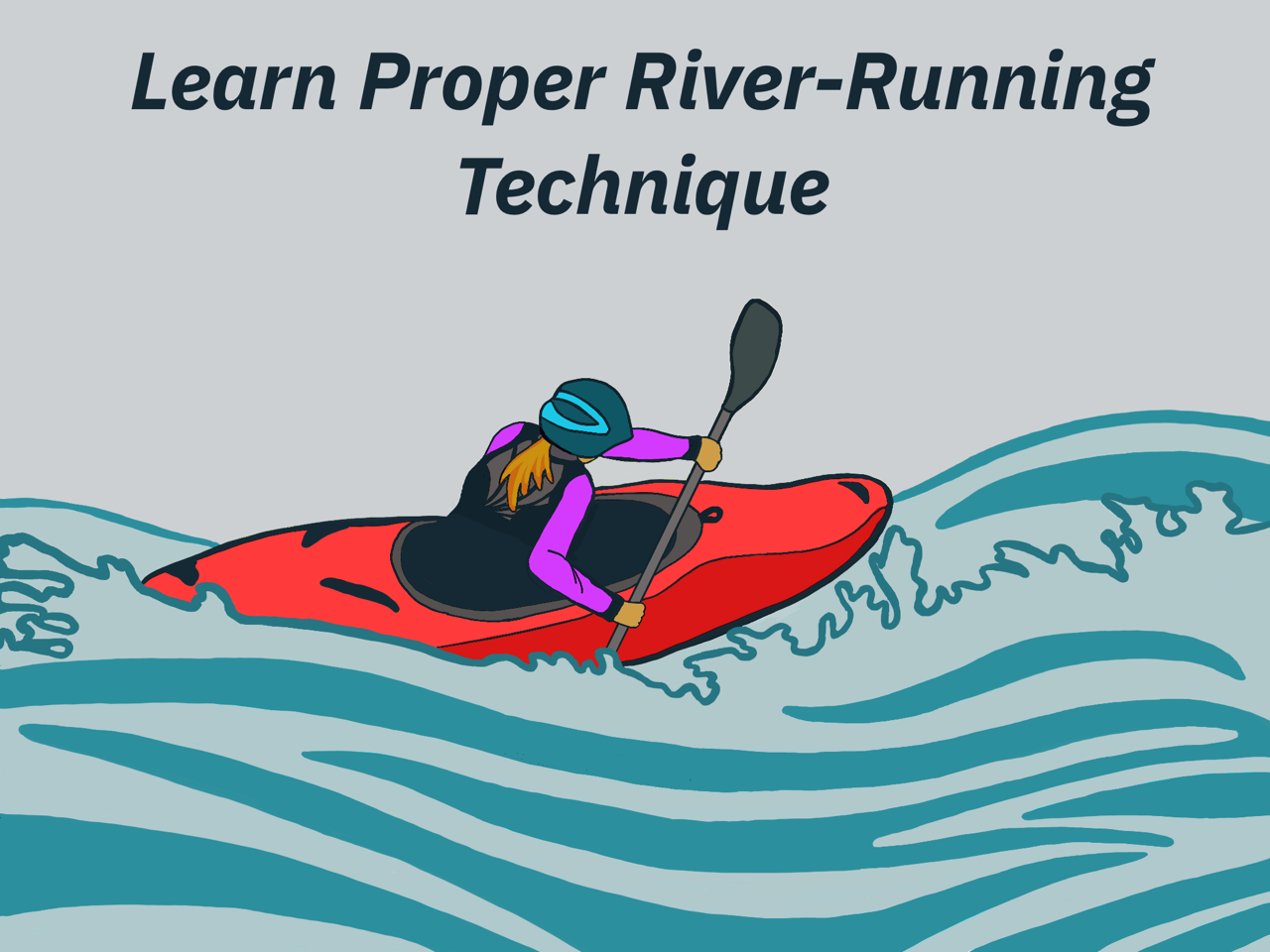
From expert videos to in-depth articles, our Rescue Reading Room and Safety Film Room offer essential skills and strategies for paddlers. Learn rescue techniques, gear basics, swiftwater swimming, and team safety—all to help you stay safe and confident on the river.
The American Whitewater Accident Database catalogs over 1600 fatalities and close calls on whitewater rivers dating back to 1972. The project was initiated over 40 years ago, in 1975 when a fatality occurred due to foot entrapment at a slalom race.
Read the biannual summaries of incidents from the American Whitewater Accident Database. Jump to the most recent one here: AccidentSummary_July-Dec_2025
American Whitewater is proud to introduce the first 12 chapters in our new film series covering basic whitewater safety material for viewing and for community wide use.
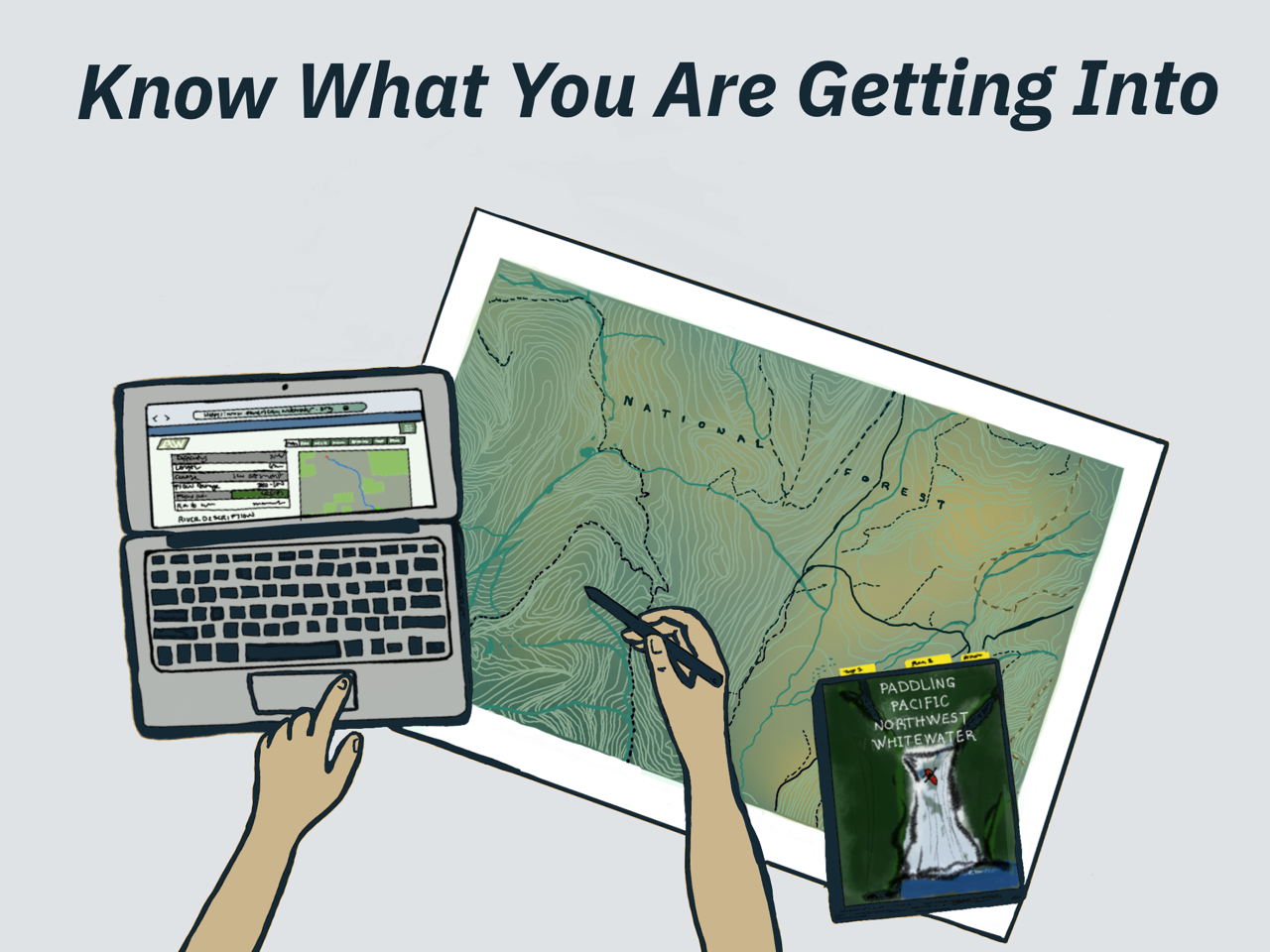
The challenge of communicating river safety risks to the public is significant. Many recreational users lack essential knowledge about navigating rivers safely, including understanding hazards, proper equipment, and best practices.