
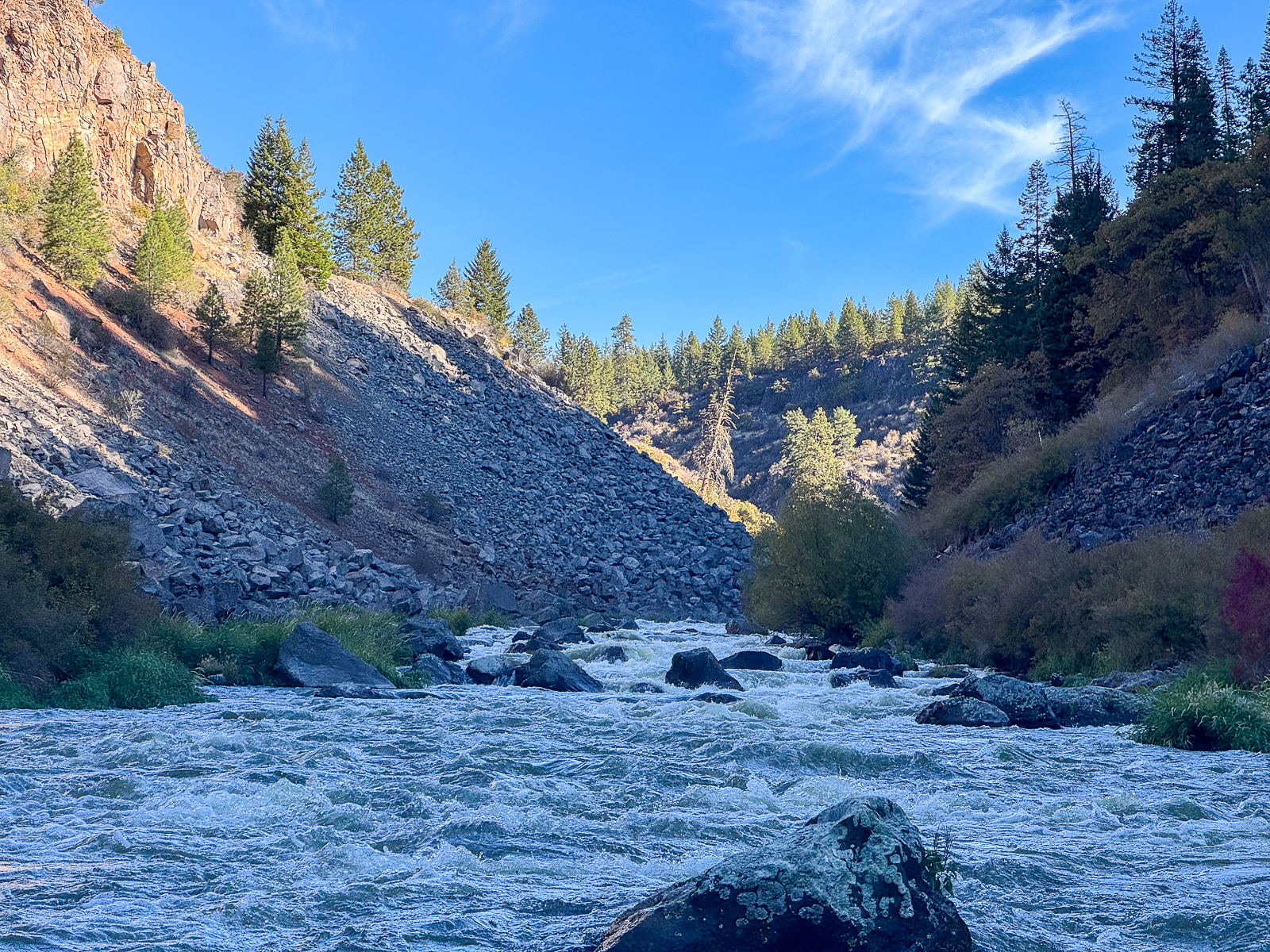
In response to the Bureau of Land Management (BLM) beginning a sweeping revision of its management plans in western Oregon, American Whitewater is urging the agency to evaluate newly free-flowing segments of the Klamath River for Wild and Scenic eligibility, to designate the Upper Klamath River Canyon as an Area of Critical Environmental Concern, and to balance their timber production ambitions with protection of our intact ecological resources and recreation experiences.
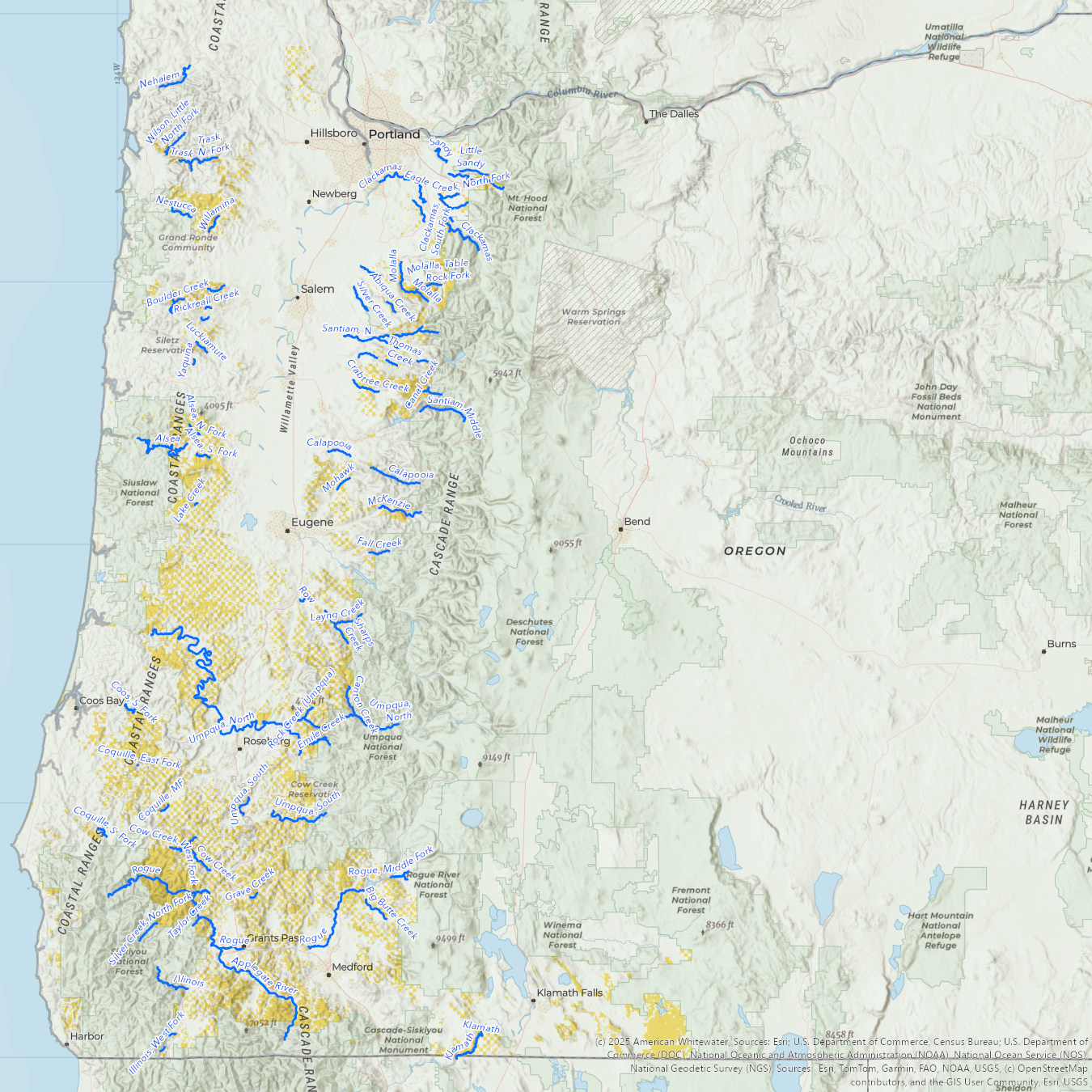
The Resource Management Plans (RMPs) under revision apply across western Oregon, covering roughly 2.5 million acres of public land and dozens of whitewater rivers. These plans guide how BLM lands are managed for decades, shaping everything from timber harvest to recreation, wildlife, and river protection.
This revision is being driven by the BLM’s stated goal to significantly increase timber production, potentially returning harvest levels to those seen in the mid-20th century. While timber is one important use of public lands, federal law requires BLM to manage these lands for multiple uses, including recreation, clean water, and fish and wildlife habitat. Many stakeholders, including American Whitewater, are concerned that BLM’s current approach to revising its management plans places disproportionate emphasis on timber production at the expense of these other values.
For rivers, the stakes are high. RMPs determine whether rivers are considered eligible for addition to the National Wild and Scenic Rivers System. They also shape management decisions that affect water quality, access, and the health of river corridors. A failure to adequately manage rivers and their watersheds could result in lasting impacts to rivers across the region, including on 94 whitewater boating runs on iconic rivers like the Rogue, Illinois, Klamath, and McKenzie as well as less famous rivers like the Molalla, Calapooia, and North Fork Siletz.
American Whitewater joined partners including Outdoor Alliance and a broad coalition led by Earthjustice to push back on the BLM’s singular focus on timber production and advocate for a balanced, legally sound approach to public land management.
At the same time, we identified an important opportunity to expand river protections and conducted the analysis, mapping, and technical work needed to bring forward two proposals to the BLM.
In 2024, four dams were removed from the Klamath River, restoring a long-dewatered canyon reach in Oregon to free-flowing conditions. The newly restored Big Bend reach now supports a recovering ecosystem, including the return of salmon, which have already been documented successfully reproducing upstream, and offers outstanding, newly available whitewater boating in a spectacular canyon setting.
Because of this transformation, American Whitewater urged BLM to evaluate the reach for Wild and Scenic River eligibility, consistent with federal law requiring agencies to consider rivers restored to free-flowing condition. We also formally proposed designation of the Upper Klamath River Canyon as an Area of Critical Environmental Concern (ACEC) to ensure the river corridor receives the focused management needed to protect its ecological, scenic, and recreational values.
Our work hasn’t ended here. Within days of filing our comments with BLM, we were in the nation’s capital meeting with the Oregon congressional delegation and the House Natural Resources Committee staff to discuss the protection of rivers–and the Klamath in particular–as the BLM moves forward with its Oregon RMP revisions.
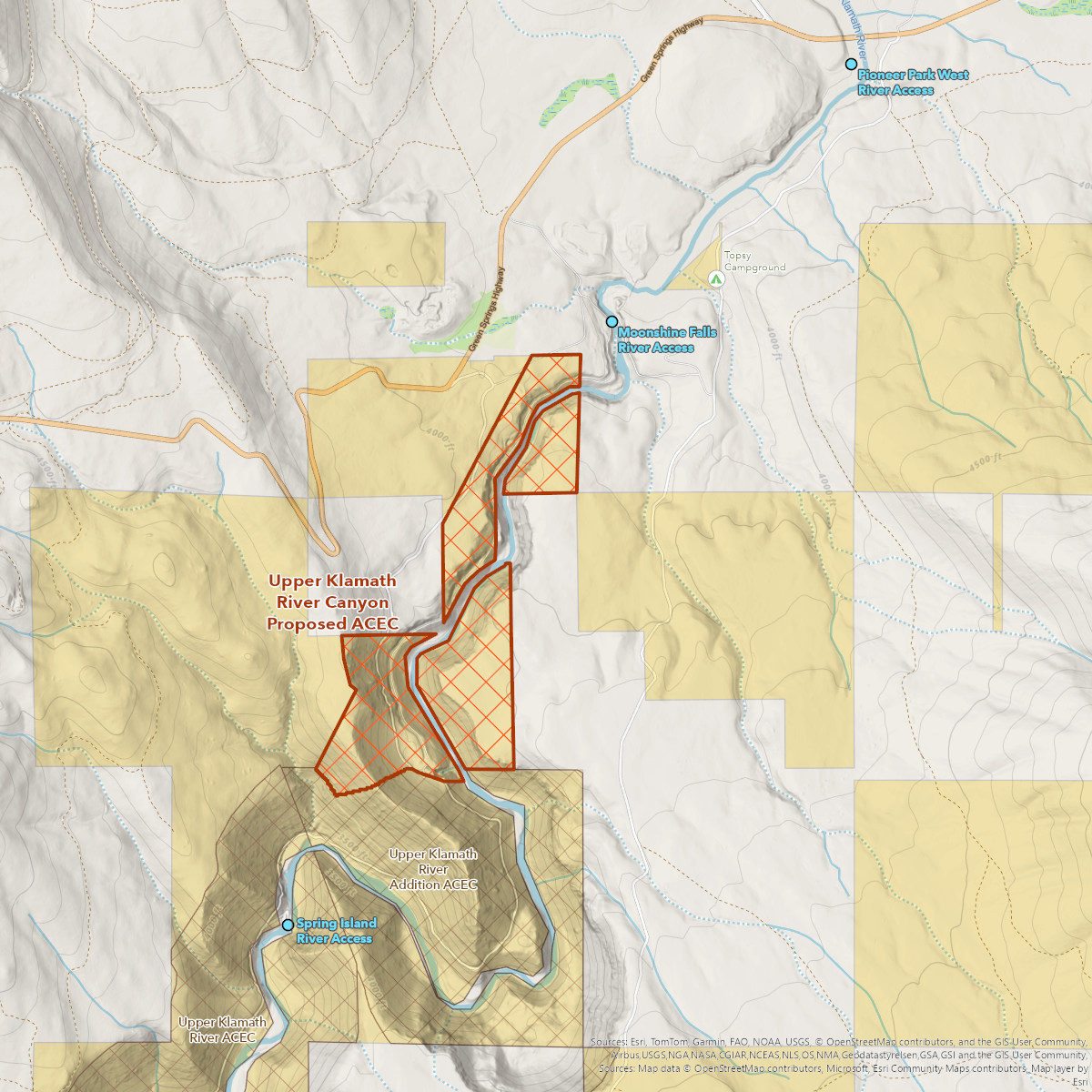
These actions would help secure the benefits of dam removal—supporting salmon recovery, restoring river processes, and enhancing public access to a high-quality whitewater run.
As BLM moves forward with its one-sided RMP revision, we’re facing unprecedented risks to the future of many cherished Oregon rivers, but we’re also hopeful we can succeed in strengthening protections for the newly undammed Klamath.
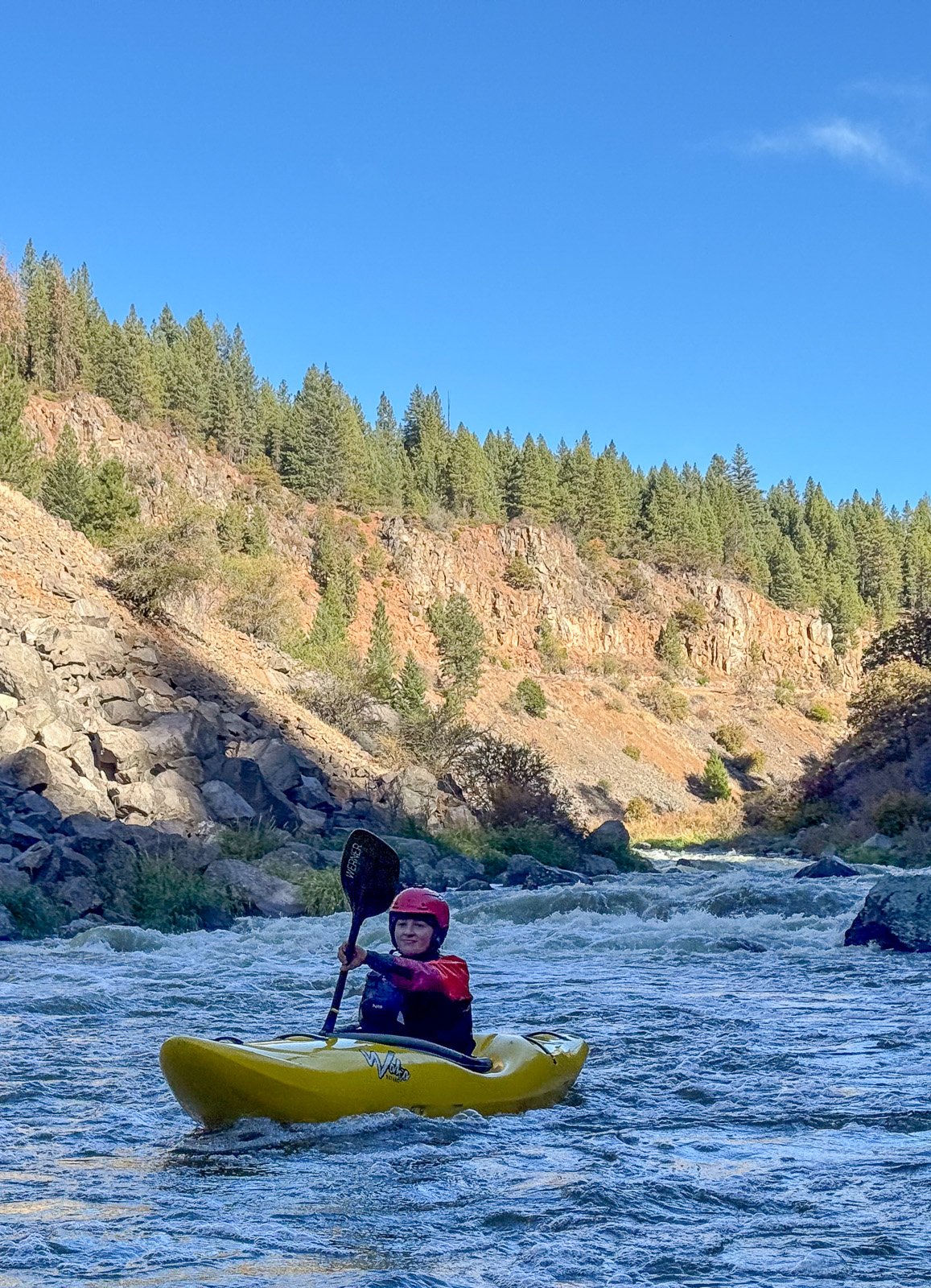
American Whitewater submitted significant organizational comments on these Resource Management Plan revisions (which can be read below) and contributed resources and background on the impacts to rivers of these plan revisions to Outdoor Alliance’s comments, as well as signing on to Earthjustice’s comments.