
Hydropower and Water Development
Many of the rivers in this region have been the target of hydropower developers. While the canyons of the Cowlitz first explored by Wolf Bauer and members of the Washington Kayak Club are now buried beneath the reservoirs on this river, projects such as those on the Cispus and Canyon Creek were halted through the efforts of whitewater paddlers and others who value free-flowing rivers. More than two dozen hydropower proposals have been active for the tributaries in the Lewis and Cowlitz drainages, many of which targeted the spectacular creeking runs this region is known for. American Whitewater is committed to keeping these rivers free-flowing.
Restoring Rivers
Hemlock Dam, an old hydropower project on Trout Creek in the Wind River watershed has been removed. The story of this removal project is captured in the film on the Hemlock Dam Removal Story. One of our most ambitious projects in the region was the removal of Condit Dam, an effort that took over two decades of determined advocacy. Check out our Year of the River Film. These projects have restored rivers for the benefit of fish, wildlife, and whitewater recreation.
Wild and Scenic Rivers
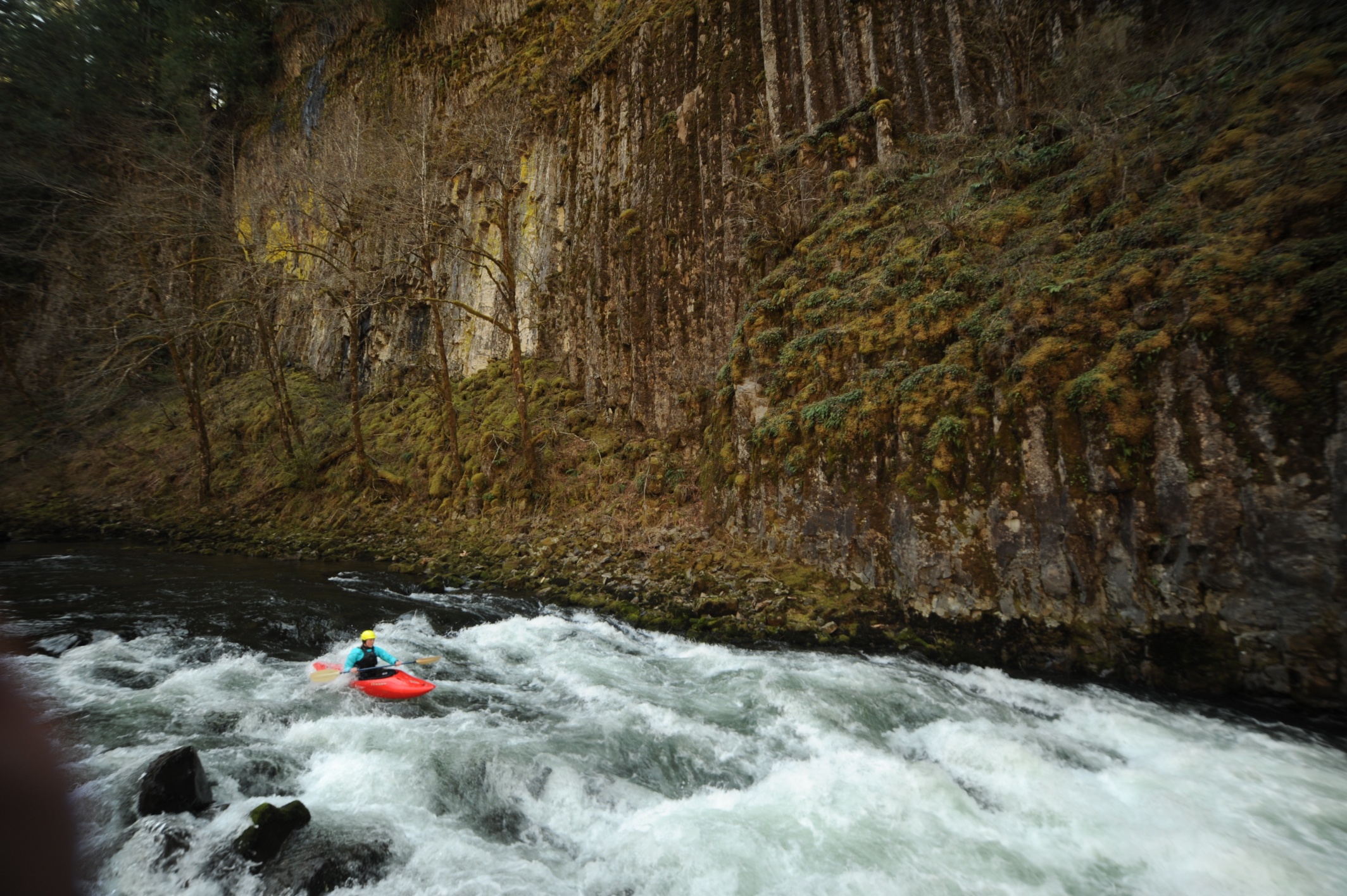
Washington’s legendary volcanoes — Mount St. Helens, Mount Rainier and Mount Adams — are the source of wild, free-flowing rivers that rush through deep gorges and basalt canyons on their way to the Columbia River. Rivers such as the Lewis, Cispus and Green provide clean water, important fish and wildlife habitat, and outstanding recreational experiences. Sections of the White Salmon and Klickitat have been designated as Wild and Scenic, protecting them from future hydropower or water development projects. Section 13 of the Columbia River Gorge National Scenic Area Act also provides some protections for the Wind and Little White Salmon. A number of other rivers have been found eligible for Wild and Scenic River designation but have not yet received the permanent protection they deserve.
Protecting the Backcountry
McCoy Creek in the Cispus drainage flows through the heart of the Dark Divide Roadless Area. Roadless Areas represent 30% of Forest Service lands, areas that remain undeveloped and American Whitewater continues to advocate for and defend the 2001 Roadless Area Conservation Rule. With approximately 50% of Forest Service lands open for development, protecting Roadless Areas is important to preserve the high quality recreational opportunities they provide. Runs like Yellowjacket Creek, Siouxon Creek, and the Wind River also have their headwaters in Roadless Areas which contributes to their spectacular water quality.
Mining Threats
A copper mine has been proposed in the headwaters of the Green River which would have devastating impacts on the river, including the fishery resources and recreational opportunities enjoyed in the Toutle River watershed. American Whitewater has coordinated with other organizations in expressing concerns related to development of this mine. Remarkably, much of the land the developer wants to lease for mining was obtained by the Forest Service in the 1980s from the Trust for Public Land with the intended purpose of protecting it from the impacts of mining. At the national level American Whitewater is a partner in efforts to reform the 1872 Mining Law to provide environmental safeguards to protect rivers along with a mechanism to address the ongoing impacts of abandoned mines.