
There is a little-known federal program that brings funding and multiple benefits to our rivers and public lands. It is called the Secure Rural Schools and Community Self-Determination Act, originally enacted in 2000, though the title only tells part of the story. In recent years, American Whitewater has played a critical role in ensuring that the federal dollars made available through this program go directly to benefiting healthy rivers and river recreation opportunities.
Back in the early 1900s, the U.S. Forest Service was required to share a quarter of its revenue from timber, grazing, and other uses with the counties where these activities took place. Counties historically used these funds to support local community needs, such as roads, schools, and other infrastructure. But, as timber harvest revenues declined after the timber booms in the later 20th century, many counties struggled to fill the budget gap. So, in 2000, Congress passed the Secure Rural Schools and Community Self-Determination Act, creating a program to provide counties with a more stable amount of funding as they transitioned away from economies based on resource extraction. Secure Rural Schools funding gets split into three categories, with the majority going directly to counties to support our schools and roads (Title I), 20% for projects on federal lands (Title II), and the rest for community programs, search and rescue, and other qualifying programs (Title III).
American Whitewater has been successful in using Title II funds to make a difference for rivers on our public lands. These funds can be allocated to projects on federal land or that benefit federal land and that address infrastructure needs, ecosystem health, and watershed improvements. These projects are reviewed and recommended by a locally appointed committee of diverse stakeholders. Some of these resource advisory committees are county-specific, while others span multiple states.
The Greater Rocky Mountain Resource Advisory Committee includes counties across Colorado and Wyoming, and local American Whitewater staff have a seat on this committee. In 2023, we helped disperse over $4 million to projects that improved watershed health; improved multiple river access areas, including on the Upper Dolores River in Colorado; and improved grazing practices. The Greater Rocky Mountain RAC and all other committees had to pause while Congress worked to reauthorize the legislation, and the U.S. Forest Service had to renew its own charter for the program. American Whitewater helped advocate for the resolution of both of these steps, and we are excited to see the program continue.
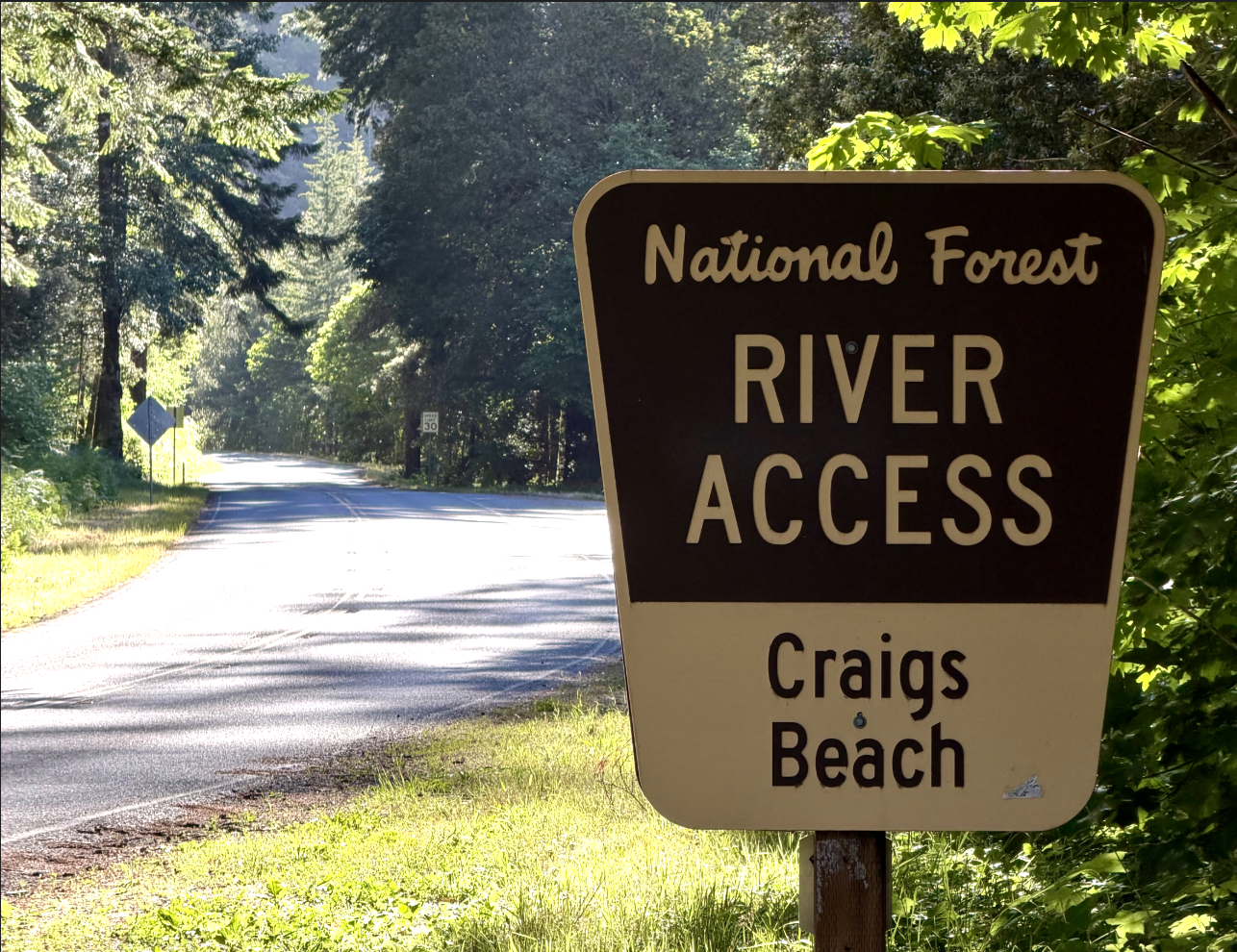
In northwestern California, American Whitewater is advancing a river access improvement project on the Wild and Scenic South Fork Smith River. Recommended for funding by the Del Norte County Resource Advisory Committee and supported through Title II funds, the project is currently in the planning phase. It will improve a river access trail that is too narrow to safely accommodate the transport of rafts between the river and the parking area.
The Secure Rural Schools Act is not permanent and must be periodically reauthorized by Congress. When authorization expires, funding and other program benefits lapse. Most recently, the Act expired in late 2023 and was not renewed until December 2025, causing 77 percent of Forest Service resource advisory committees nationwide to become inactive. The Forest Service is now rebuilding these committees, a process that requires approval of members by the Secretary of Agriculture, and expects many committees to resume operations later in 2026. American Whitewater staff have applied to serve on the Siskiyou County Resource Advisory Committee, which covers an area that includes the Klamath, Salmon, Scott, and numerous other California rivers.
While the Secure Rural Schools Act rarely attracts headlines, its impact can be seen on the ground across the country. From improving river access and recreation infrastructure to restoring watersheds and supporting healthy public lands, Title II projects provide a practical way for local communities to invest in the places they care about. For American Whitewater, participation in resource advisory committees and support for the Secure Rural Schools program are opportunities to ensure that rivers and river recreation remain part of that investment. As committees are reestablished and new projects move forward, we look forward to continuing that work on behalf of the boating community and the rivers we cherish.
*Photo by Scott Harding