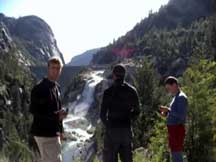
Conservation organizations, two electric utilities, state and federal resource agencies and other stakeholders have reached a landmark agreement that protects and restores the Stanislaus River and will ultimately lead to better conditions for wild trout, other aquatic species, and recreation, while continuing use of the river for hydropower generation and consumptive water supply. The Central Sierra Environmental Resource Center (CSERC), Trout Unlimited (TU), Friends of the River (FOR), and American Whitewater (AW) joined with Pacific Gas and Electric Company (PG&E), Tri-Dam Project, the U.S. Forest Service, Tuolumne Utilities District and other stakeholders in agreeing to a final consensus-based package of natural resources conditions for PG&E and Tri-Dam’s new federal licenses for their existing hydroelectric projects on the Stanislaus River, in the Central Sierra. Other state agencies like the California State Water Board and California Department of Fish and Game were instrumental in providing needed technical advice and expertise. The conditions were sent today to the Federal Energy Regulatory Commission (FERC), along with a formal request that FERC evaluate and adopt these natural resources conditions in new federal licenses for the hydroelectric projects anticipated to be issued early next year. Over the course of nearly 200 days of meetings spread over four years, stakeholders representing a broad array of interests labored through dense technical studies and often emotional negotiations. “It is amazing what parties can accomplish when they focus on mutual gains, and much credit goes to PG&E and Tri-Dam for committing to a collaborative process,” said CSERC’s John Buckley. The “Quite simply, by listening to and working with PG&E and Tri-Dam, the stakeholders produced a durable and comprehensive consensus package that we hope FERC will adopt since the needs for power generation and water supply, as well as ecological resources are met,” said Chuck Bonham of Trout Unlimited. The package of natural resources conditions which was agreed upon and sent to FERC includes: (1) an overall increase of minimum base streamflows; (2) an adaptive management plan to provide substantially increased streamflows in spring months for river restoration purposes like gravel and sediment movement; (3) a commitment to construct a screen to prevent fish entrainment at Sand Bar Diversion Dam; and, (4) increased recreational opportunities. “The complexities of two licensees and four simultaneous relicensing proceedings on the same river was an unprecedented challenge, but we all remained focused on reaching balanced, consensus solutions to resource issues, and we achieved something we can all be proud of,” said David Moller PG&E’s manager of hydro relicensing. “The collaborative process clearly produced a win-win agreement, which meets stakeholders’ fish, wildlife, and recreation goals while allowing PG&E and Tri-Dam to continue project operations in a beneficial manner,” said Kelly Cattlet of Friends of the River. The settlement agreement will be submitted to FERC along with a request that it form the basis of PG&E and Tri-Dam’s new hydro project licenses. “We hope that FERC approves these conditions because the agreement truly reflects stakeholder interests, which makes for a robust and durable package in all regards,” stated Steve Felte of Tri-Dam. Trout Unlimited is the nation’s leading coldwater fisheries conservation organization. CSERC works to defend the environment across the central region of the Contact: Chuck Bonham, California Counsel, Trout Unlimited: (510) 528-4164 John Buckley, Director, Central Sierra Environmental Kelly Catlett, Hydro Policy Advocate, Friends of the River: (916) 442-3155 ext. 223 John Gangemi, Conservation Director, American Whitewater: (406) 837-3155 Jon Tremayne, Pacific Gas and Electric Company: (415) 973-5930
