
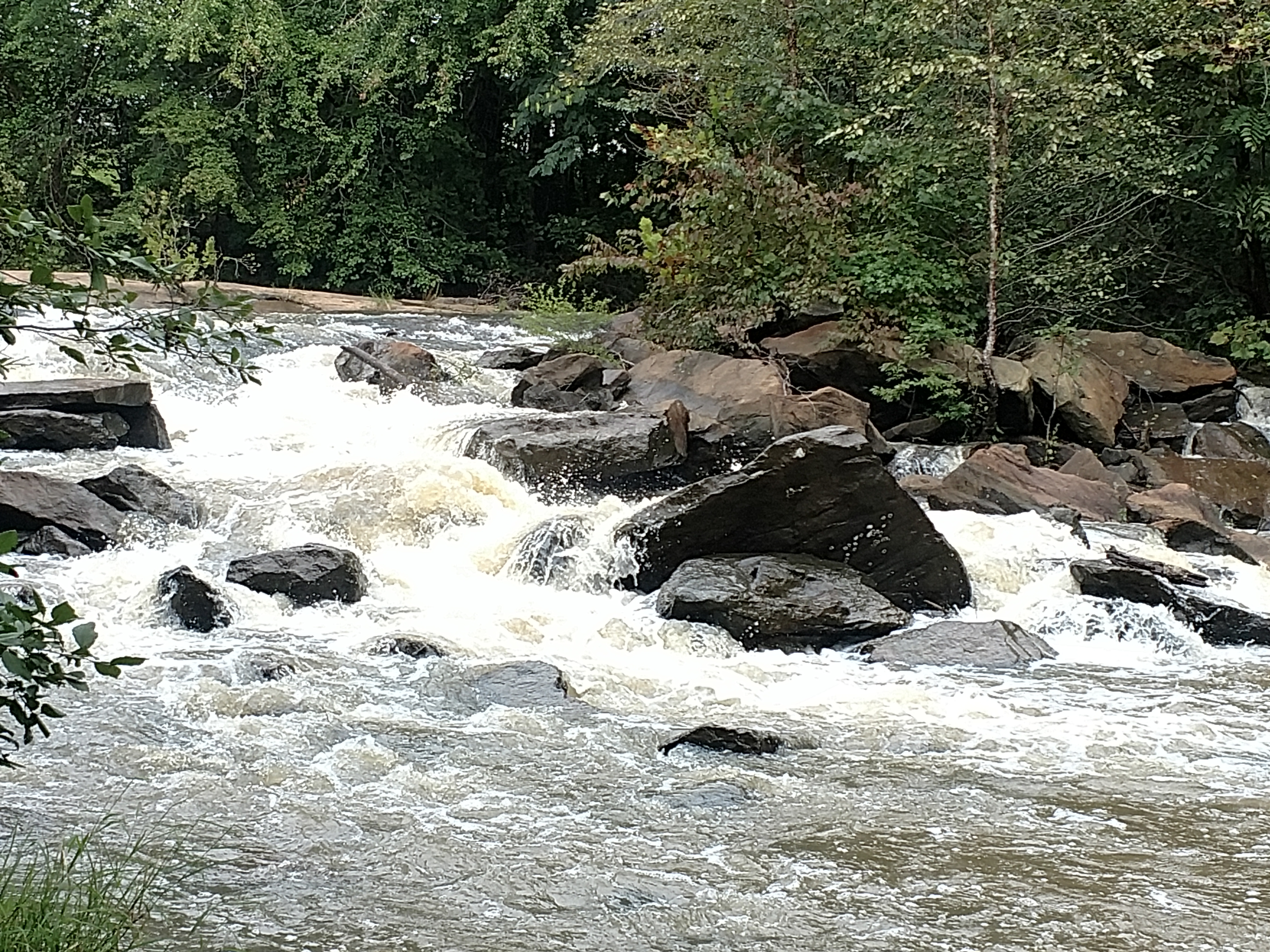
The Sumter National Forest announced the data collection techniques they intend to employ in conducting a user capacity analysis on the upper 21 miles of the Chattooga River, on Friday, February 3rd. The plan includes the first legal whitewater boating on the upper reaches of the Chattooga in over 30 years.
The SNF’s announcement outlines a broad analysis framework, and members of the SNF staff have noted that they have yet to develop detailed methodologies. They do not yet, for example, know how many paddlers will be permitted to run the river or under what restrictions. The SNF also announced that the analysis will likely take up to a year longer than expected in order to collect a full year of data on recreational use.
The full SNF release can be read at: http://www.fs.fed.us/r8/fms/forest/news/2006/FMS0603.shtml
American Whitewater has reviewed the SNF proposal and responded with detailed comments and recommendations. We feel that the data collection framework described by the SNF could be carried out in a manner that meets our objectives of a fair analysis that provides a solid basis for responsible river management. Alternately, within the same proposed framework, the SNF could implement the analysis in a manner that is biased and results in little information of value and a continued era of mismanagement.
AW’s National Stewardship Director, Kevin Colburn summed up the current status of the Chattooga Issue, “While it is certainly a step in the right direction that boating will be allowed during the study process, the devil may very well be in the details. We hope that the SNF will adopt our recommendations and for the first time ever gather information on all the Chattooga River’s visitors and their impacts, so that they can begin to manage the river corridor appropriately.”
American Whitewater is cautiously optimistic that through collaboratively working with the SNF, a suite of study methods will be developed in the coming months that meet our interests. As such, we have offered recommendations on specific methodologies and concepts that will ensure a fair study and that will result in good data.
Specifically American Whitewater has recommended that the SNF:
· Count all users rather than focusing only on paddlers, to ensure a fair study that results in responsible management of all river corridor users and impacts.
· Support freedom of choice by allowing paddling use to occur whenever permitted paddlers chose throughout the year of data collection, to capture valid paddling preferences and use patterns, while reducing opportunity for study manipulation by other participants.
· Not limit paddling use numbers, or limit them commensurate with other uses, in order to ensure equity, an adequate sample size, comparable data between user groups, and a full range of management alternatives.
· Assess biophysical impacts associated with all types of recreational uses to ensure fairness and future river management that protects, restores, and enhances the River corridor.
· Address every user’s solitude in a nonbiased manner to comply with the order of the USFS Chief, and to ensure equitable management.
· Study Section 00 in the same manner as Sections 0 and 1 in order to ensure an adequate record is developed for a full range of management alternatives.
American Whitewater’s full response can be read at: http://www.americanwhitewater.org/resources/repository/J.%20Thomas%20Letter.pdf