
American Whitewater recently submitted testimony in the Senate’s Energy and Natural Resources Water and Power Subcommittee to ensure that the perspective of the whitewater community is represented in decisions that shape river flows, dam operations, and long-term river health. The subcommittee, led by Chairman Senator John Hoeven (ND) and Ranking Member Senator Ron Wyden (OR), recently held a hearing on several water and hydropower bills that could affect rivers across the country.
Following the hearing, American Whitewater traveled to Washington, DC, to meet directly with committee staff and key Senate offices to discuss these bills in detail. A core part of our work is bringing the concerns and priorities of whitewater boaters directly to lawmakers. Written testimony is one step in that process, but direct conversations with decision-makers are equally important opportunities to explain how proposed policies affect real rivers and the people who depend on them.
Our testimony and follow-up meetings with Senate offices focused on how these bills influence river flows, dam operations, and long-term river health. Below is an overview of the legislation considered at the hearing and why American Whitewater took the positions we did. You can read our full testimony in the link at the bottom of this article.
Support for the Snow Water Supply Forecasting Program Reauthorization Act (S. 2437)
American Whitewater supports reauthorization of the Snow Water Supply Forecasting Program introduced by Senator John Hickenlooper (CO) and co-sponsored by Senator John Curtis (UT) because accurate snowpack data is essential to boating and river-based recreation across the West.
Snowpack is the primary source of river flows in many regions. Reliable forecasts help boaters plan trips, outfitters prepare for the season, and land managers anticipate when and how recreation will occur. These forecasts also improve safety by helping boaters understand changing river conditions and anticipate runoff timing.
Modernizing snow monitoring tools and improving forecasting models benefits the entire recreation economy, especially rural communities that depend on seasonal river use. Investments in better forecasting also support creative water management solutions that balance recreation, agriculture, and environmental needs.
Support for the Hydropower Licensing Transparency Act (S. 3500)
American Whitewater supports the Hydropower Licensing Transparency Act introduced by Senator Catherine Cortez Masto (NV) and co-sponsored by Senator Steve Daines (MT) because transparency in hydropower licensing helps ensure that decisions affecting rivers remain visible and accountable to the public.
When hydropower licenses are renewed, agencies establish the rules that govern dam operations for the next 30 to 50 years. These decisions affect river flows, water temperature, fish passage, sediment movement, recreation opportunities, and more.
This bill would require regular updates on the status of licensing proceedings, helping the public better understand timelines and identify where additional resources may be needed. Greater transparency helps ensure that river users, Tribes, agencies, and communities have the information necessary to participate meaningfully in decisions that affect river health.
We also emphasized that improving licensing efficiency requires adequate staffing and resources for the agencies responsible for reviewing environmental impacts—not shortcuts that weaken the protections rivers depend on.
Opposition to the FLOWS Act (S. 3518)
American Whitewater opposed the Fair Licensing for Operations of Water Structures (FLOWS) Act introduced by Senator Lisa Murkowski (AK) and Senator Angus King (ME) because it could allow hydropower operators to make changes to dam infrastructure or operations without sufficient review of environmental and recreational impacts.
Post-license changes at hydropower projects can sometimes improve both energy production and environmental outcomes. However, those changes should be evaluated carefully to ensure they do not harm aquatic habitat, water quality, or recreation opportunities.
This bill would allow some modifications to proceed without meaningful oversight or opportunities for public input, relying on vague terms such as “routine” or “nonsubstantial.” Without clear definitions and review requirements, changes that appear minor could still have significant effects on river systems.
We also noted that federal regulators are already working through a rulemaking process to address these issues. Allowing that process to move forward is the more appropriate path because it incorporates technical expertise and public participation.
Comments on a Study of Glen Canyon Dam Operations (S. 3743)
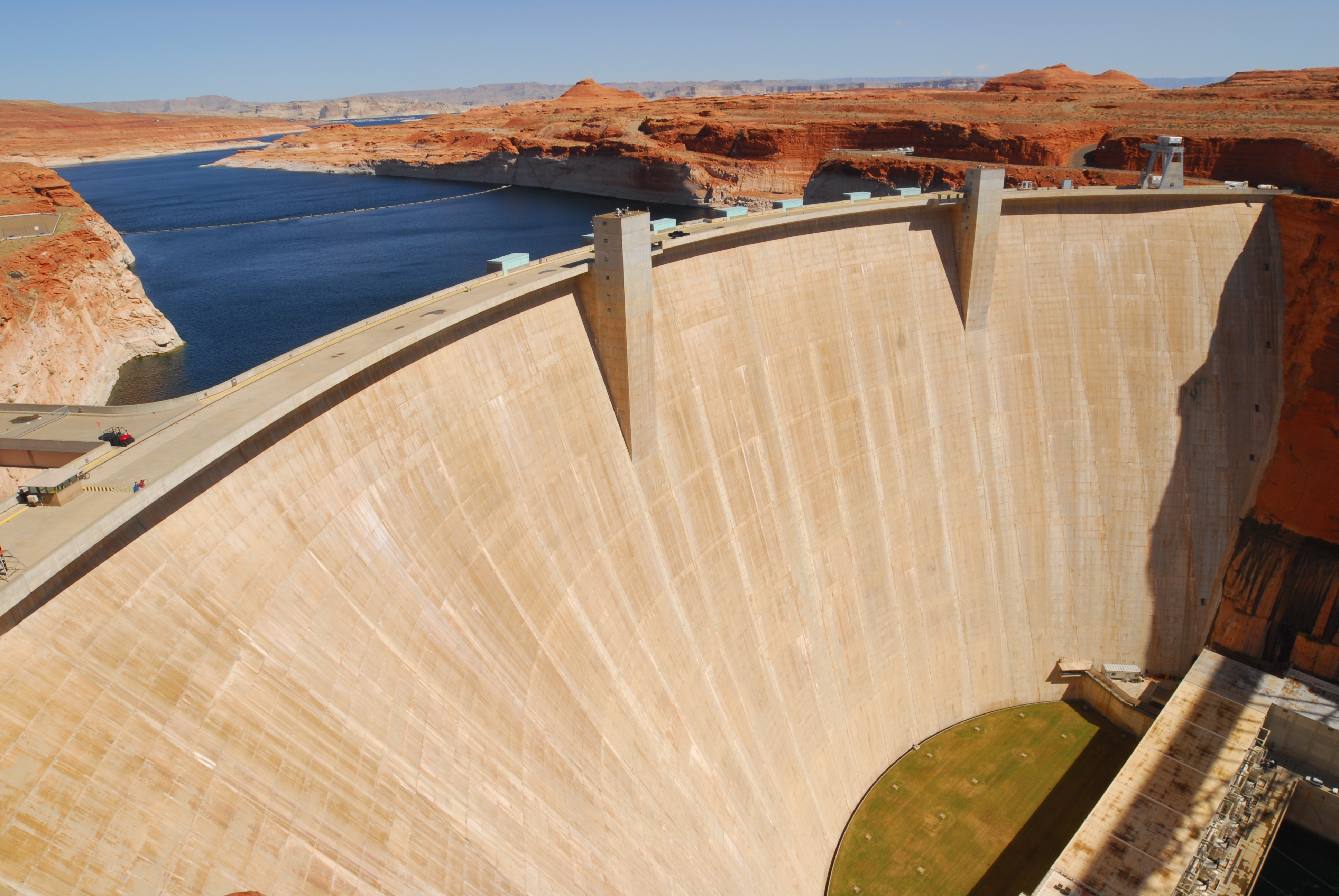
American Whitewater provided feedback on legislation introduced by Senator Mike Lee (UT) directing the Department of the Interior to study infrastructure improvements at Glen Canyon Dam.
This dam controls flows through the Grand Canyon—one of the most iconic whitewater destinations in the world—and plays a critical role in sediment movement, fish habitat, and recreation conditions downstream.
We support studying infrastructure improvements but urge Congress to expand the scope of the study beyond hydropower operations alone. Future planning at Glen Canyon Dam should consider all downstream resources, including recreation, native fish, cultural resources, sediment, and river ecosystems.
With declining reservoir levels and aging infrastructure, long-term planning at Glen Canyon Dam is essential. Decisions made now will shape the future of the Colorado River and the Grand Canyon for generations.
Through testimony and direct meetings with lawmakers, American Whitewater works to ensure that the voices of boaters and river stewards are part of decisions that shape the future of our rivers.
Read the Full Testimony
For those interested in the full details, you can read our complete written testimony submitted to the Senate Energy and Natural Resources Water and Power Subcommittee here: