
American Whitewater works to promote the safe enjoyment of our nation’s rivers through the creation and distribution of safe boating materials including the Safety Code, and through the maintenance of the national whitewater inventory with information on over 6,000 river segments and the accident database, a catalog of incidents on whitewater rivers dating back to 1972 for analysis and review.
Safety
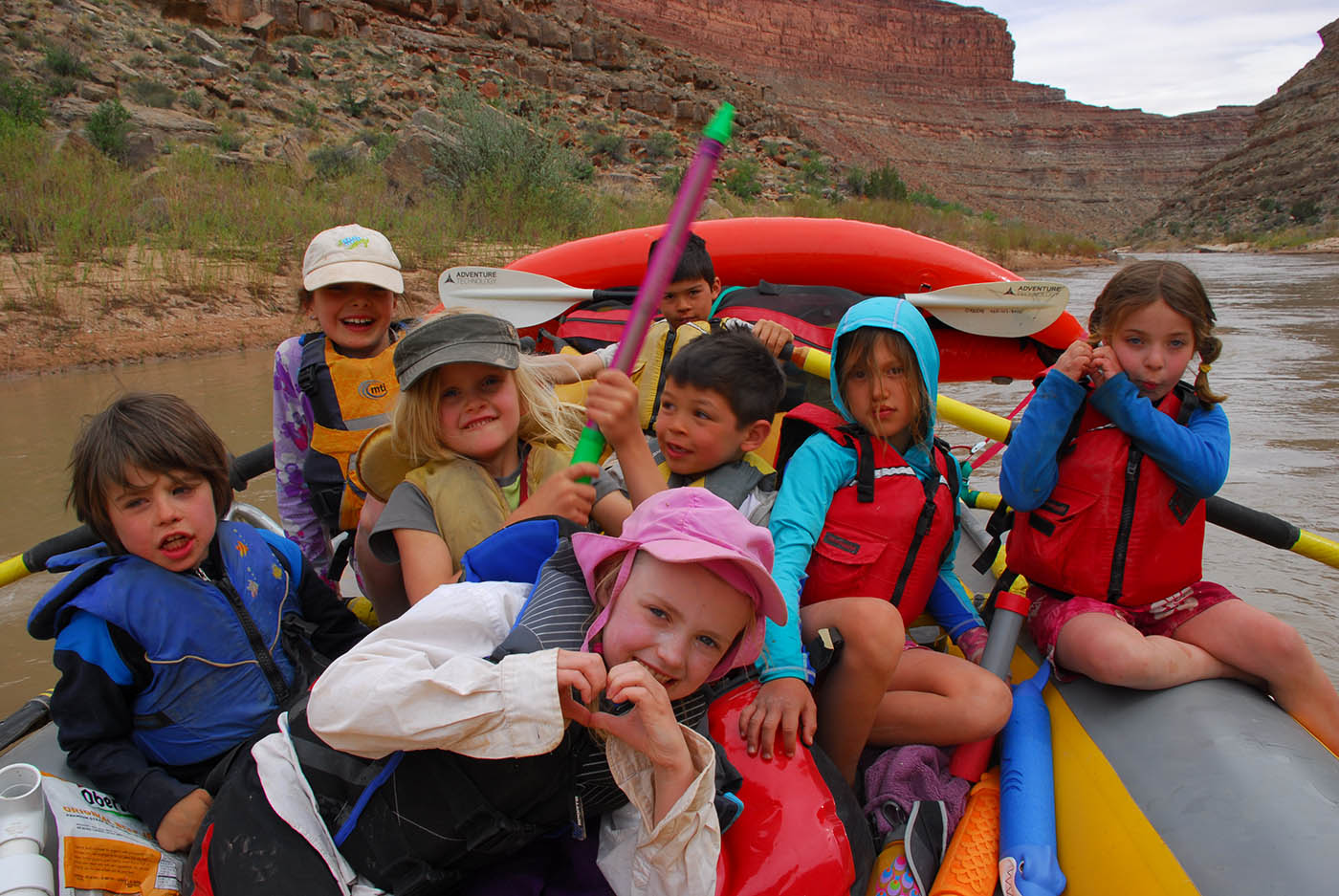
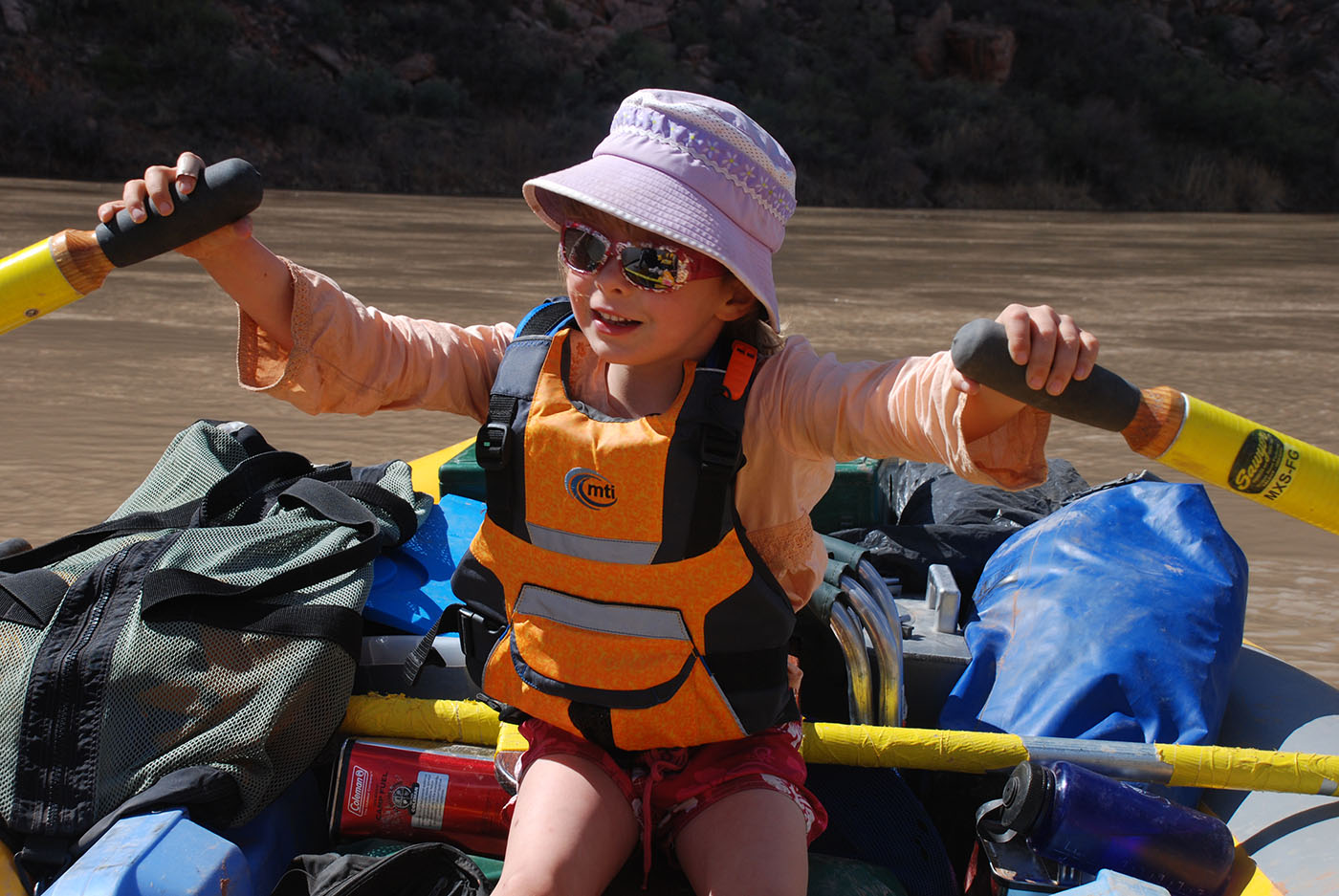
Safety has been a core issue for AW since 1954, and today we are leaders in accident analysis and safety education. Formal risk management is part of all our programs. We work hard to publicize safe practices that help every American enjoy our rivers safely, and we advise legislative bodies and river managers on the best ways to educate whitewater paddlers. If you look back through the pages of the August 1955 and Winter 1957 American Whitewater Journal, you’ll see the International Scale of River Difficulty, the codification of a class I-IV whitewater classification system, was developed internationally and adopted and promoted by American Whitewater. Outdoor recreation and whitewater boating specifically have inherent risks, however many whitewater accidents, especially for less experienced boaters, are preventable with some very basic whitewater safety knowledge.
National Whitewater Inventory
American Whitewater’s National Whitewater Inventory (NWI) is the definitive online guide to whitewater rivers in the United States, and was first put together in 1988 as a spiral-bound notebook, known as The Nationwide Whitewater Inventory. It included a table of rivers organized by state and exhaustively checked by local experts. By 1990, $7 got you the entire Inventory on a 5.25-inch floppy disk. Now, along with crowdsourced descriptions including difficulty, length, gradient, safety alerts, maps and images of over 6,000 whitewater runs, the NWI also associates most runs with an online flow gage and depicts whether the runs are low, medium, or high for boating, through color-coded flow ranges.
The easiest way to help the NWI continue to flourish is to add trip reports to any river page, including text and photos. We love and need new photos! Just log in and click “+ Trip Report” on a river page. If you are even just a little tech savvy and know your rivers really well, please consider adding gages on rivers lacking gages on our site, or adding or editing flow recommendations on rivers with limited or out of date information, or adding rapid and other river features to the database. You’ll need to log into the American Whitewater website, click the edit pencil above the beta box on any river page, and click on the flow tab to get started. Hit up the AW streamteam google group with questions.
Water Trails
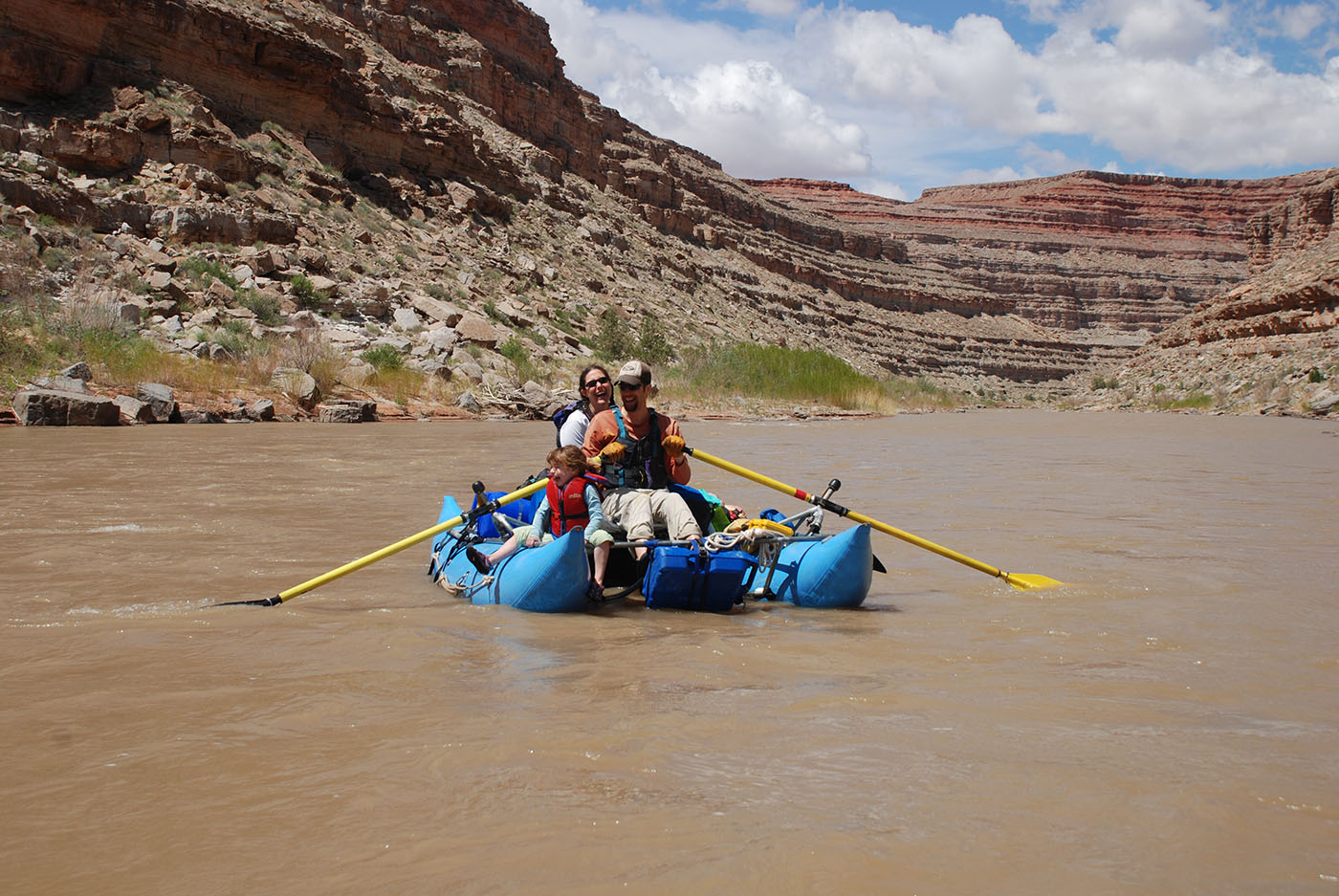
In recent years many organizations and agencies have been promoting the concept of water trails or blueways as a means to highlight the recreational benefits of rivers. Water trails are quite simply rivers that are used for navigation and recreation. While some water trails may be formalized, typically through a state or federal program, with developed facilities, interpretive information and maps, others are deep in the backcountry and may only be experienced by a handful of individuals.
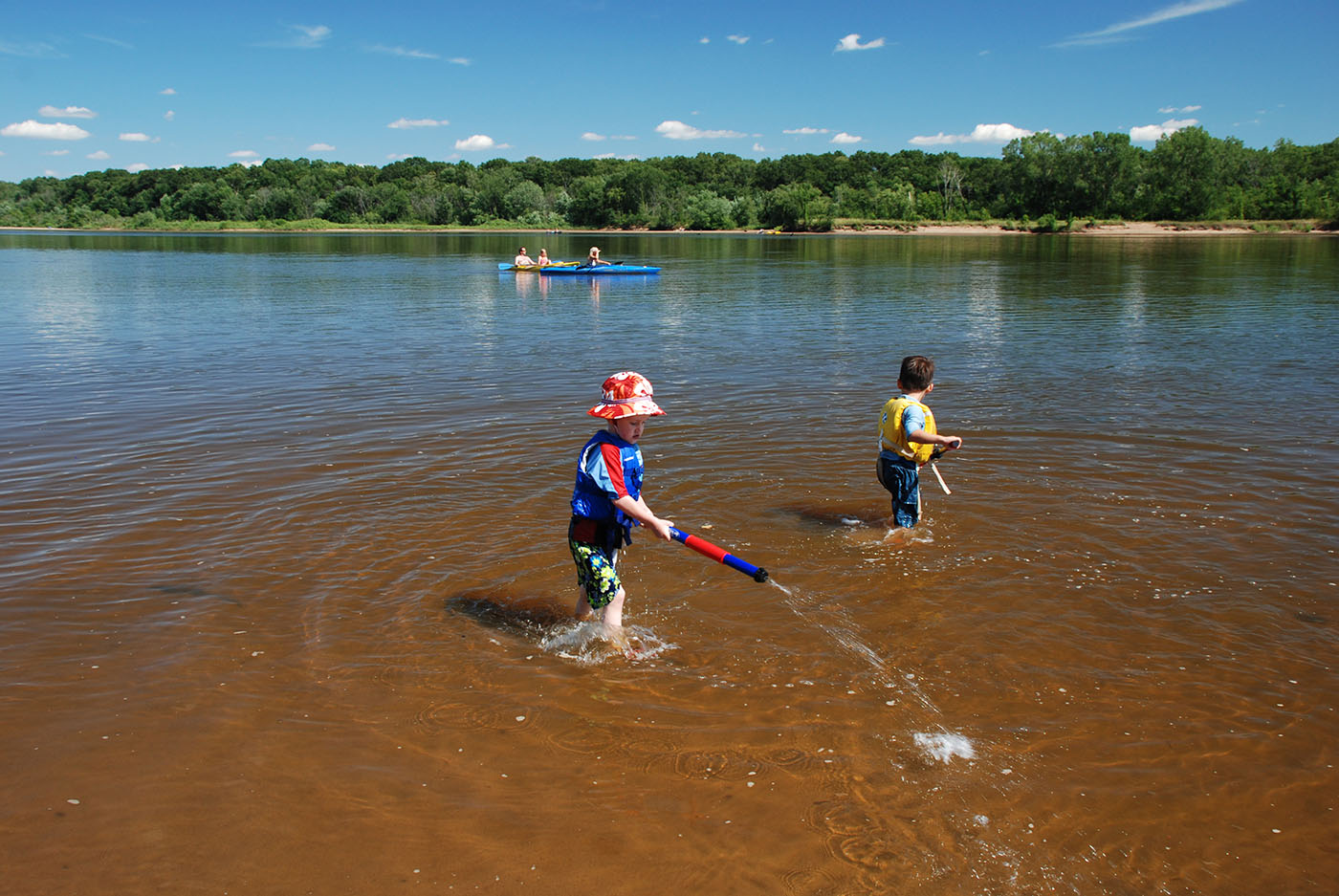
More precisely, we define a water trail as any traditionally navigable waterway defined as having the capacity, in terms of length, width, and depth, to enable a kayak, canoe, or other type of craft to make successful progress through a waterway, regardless of the presence of shallow rapids, exposed cobble, or other objects that may impede passage. In practice water trails span a wide array of levels of challenge, from standing water to challenging whitewater.
Formalizing water trails brings numerous benefits. It enhances safety by providing clear information on access points, hazards, and recommended equipment, crucial for promoting safe boating, especially in community settings. For instance, in Reno, NV, regular river safety classes for youth are part of community efforts on the Truckee River. Managed by local, state, or federal agencies, these trails also facilitate stewardship and education on water resources and safety practices.
Water trails serve not only as recreational corridors but also as educational tools and community assets, fostering a deeper connection between people and their natural environments while promoting responsible use and conservation efforts.