
Rivers such as the Potomac in Washington DC, the Cheat River in West Virginia, the Menominee River in Wisconsin, and the Black River in New York were once heavily polluted and considered unfit for outdoor activities. Thanks largely to the Clean Water Act, these rivers, once too contaminated for safe recreation, are now enjoyed by millions of Americans.
In 1972, when the Clean Water Act was enacted, the Cheat River in West Virginia was virtually lifeless. Since then, extensive cleanup efforts have revitalized the river, leading to a remarkable recovery of wildlife in its canyon. Bears, deer, and even river otters now thrive along its banks. The Black River was similarly polluted; early paddlers in the 1970s would finish their runs with grey-stained skin. Today, it’s one of upstate New York’s most popular paddling spots, significantly improving its water quality.
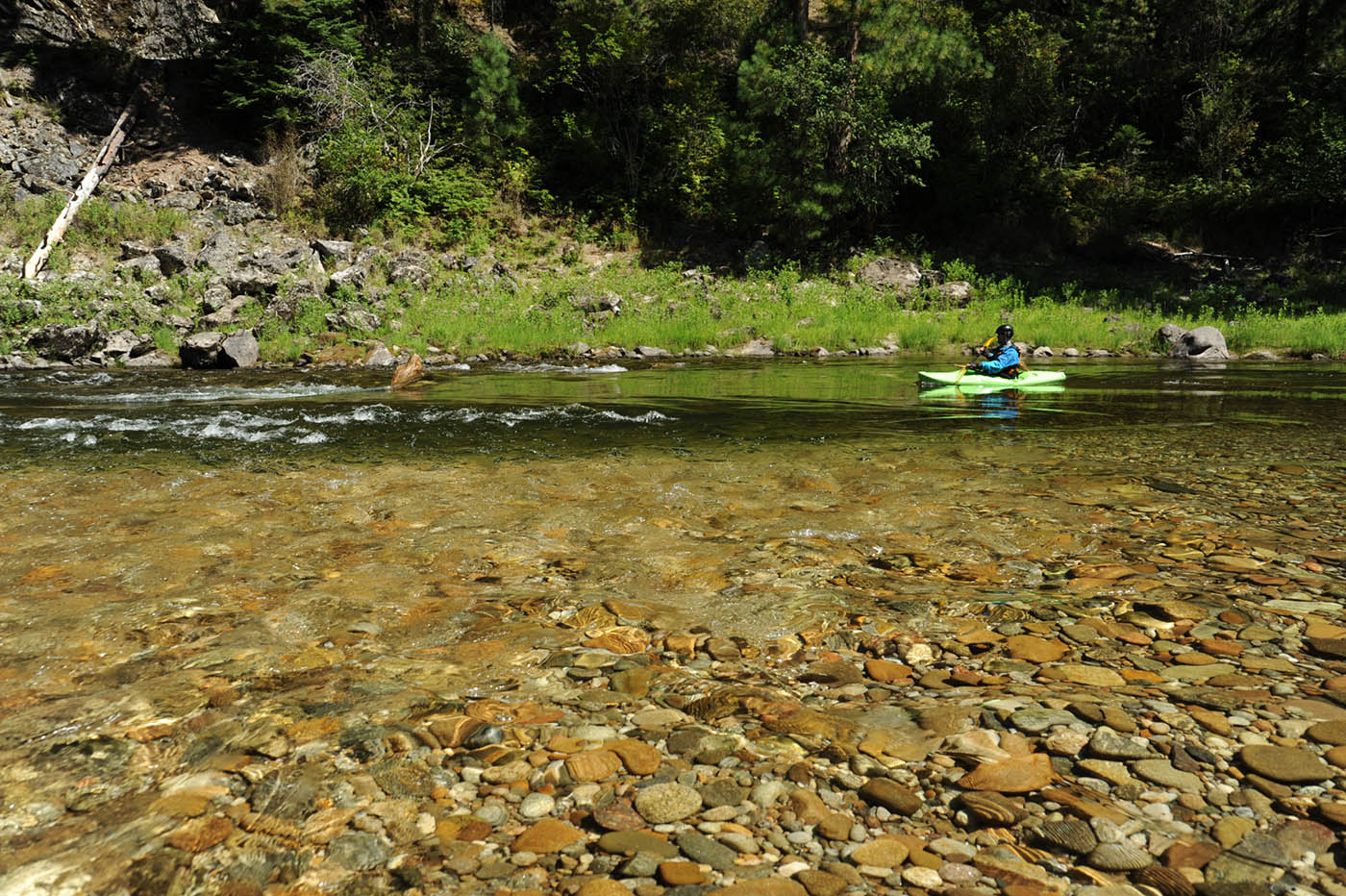
Despite its successes in combating pollution and restoring flow to depleted rivers, the Clean Water Act faces ongoing challenges. A recent survey of our members revealed that about 70% have experienced health issues from paddling in polluted rivers. Sinus and ear infections remain prevalent in many areas where water quality still needs improvement. While many once-polluted rivers are now safe for recreation, some members still avoid runs like the Pigeon River in Tennessee, Difficult Run in Northern Virginia, and Deckers Creek in West Virginia, due to lingering pollution concerns.
While the Clean Water Act has been pivotal in restoring and protecting rivers, continued support from Congress, the Administration, and the Courts is crucial to safeguard its key provisions from potential weakening. American Whitewater advocates for the whitewater paddling community and all river enthusiasts, striving to fulfill the Act’s vision of water quality that is fishable and swimmable.