
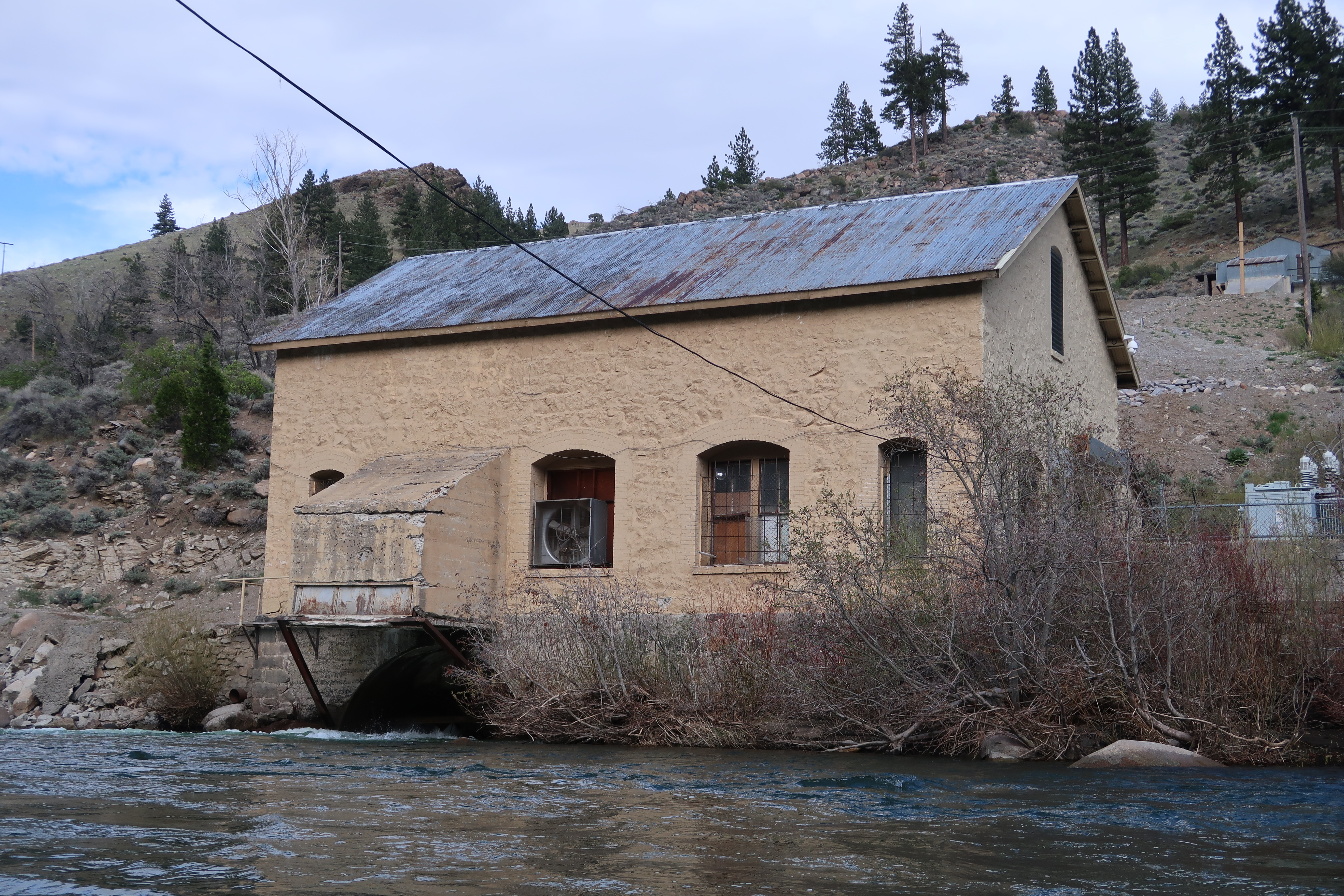
While the era of large dam construction in the continental United States is largely over, a new threat is emerging: small hydropower projects on high-gradient streams and creeks. These waterways are cherished by boaters for their challenging rapids, scenic beauty, water quality, and sense of wildness. Yet small hydro projects—often pitched as “low-impact” or “benign”—can have outsized effects on the rivers they rely on.
Small hydropower projects work by diverting water from the river into a tunnel or canal that runs along the mountainside. This allows developers to maximize the elevation difference, or “head,” between the water source and the powerhouse, generating more electricity. To increase energy output and profits, many projects divert as much water as possible, often for miles before returning it to the river. The result can be long stretches of dewatered river, particularly targeting the steep sections that attract creek boaters.
Size does not determine impact. Even comparatively small dams can significantly alter river flow, degrade aquatic ecosystems, and eliminate critical whitewater sections. In Washington State, the International Small-Hydro Atlas has identified over 500 undeveloped sites, and there are hundreds of applications for power generation in British Columbia, Alaska, Oregon, and Idaho. American Whitewater has actively fought projects threatening rivers like Canyon, Clearwater, and Martin Creeks in Washington, as well as Boundary Creek in Idaho.
American Whitewater combats these projects by partnering with local boaters and clubs, offering technical guidance, and dedicating staff to advocacy efforts. We also extend support to our Canadian neighbors to help protect rivers and creeks across borders. Small hydro may produce low carbon energy, but without careful planning and oversight, it can come at the expense of the rivers we love.