
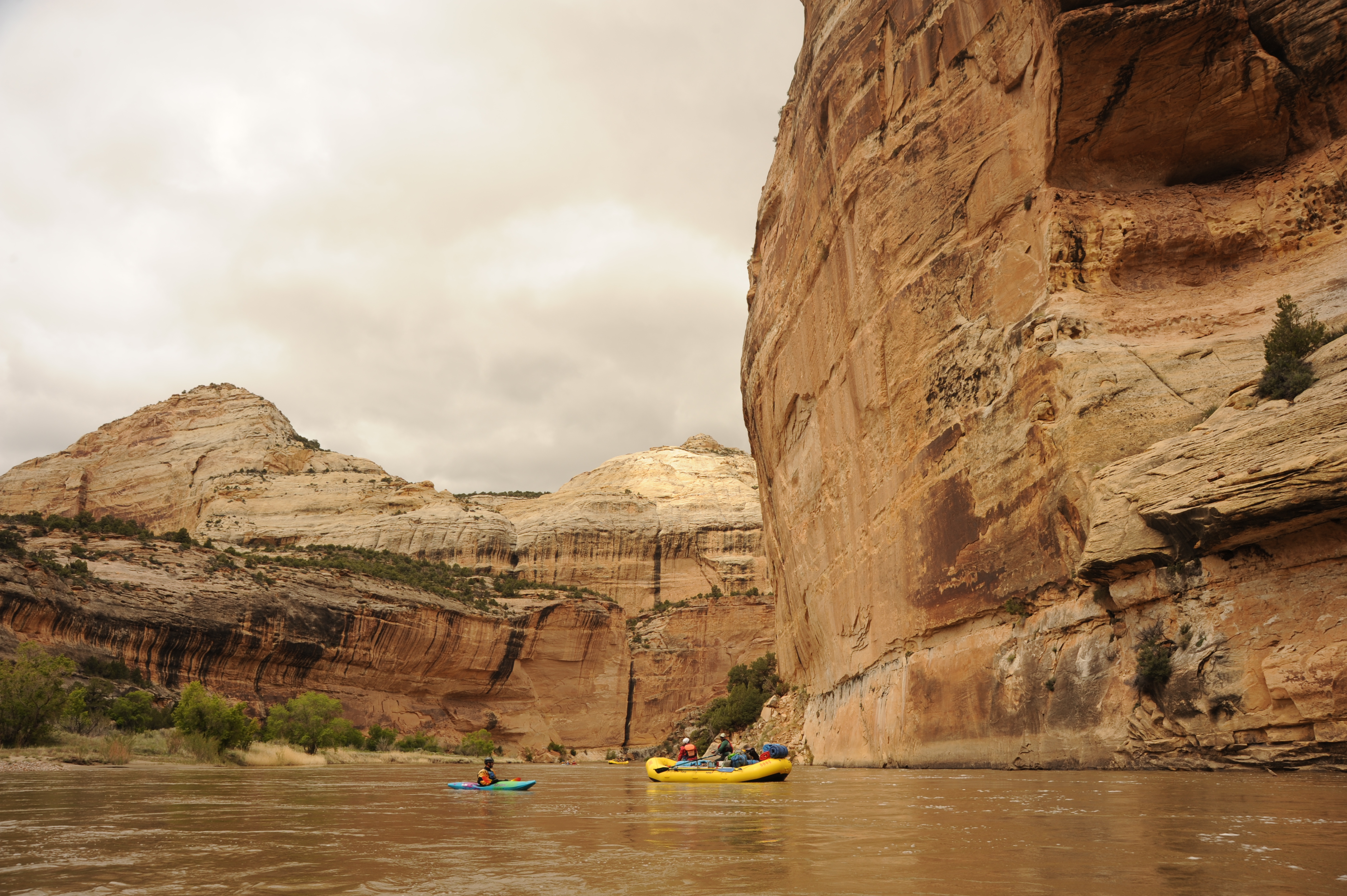
The Yampa River is one of the last major free-flowing rivers in the Colorado River Basin, and it has long been a focus of American Whitewater’s river stewardship work in the region. American Whitewater is committed to preserving the Yampa’s wild and unregulated character in the face of ongoing proposals for new storage and diversion projects. In a basin where so many rivers have been altered by dams, the Yampa remains a rare example of a natural flow regime—supporting outstanding whitewater recreation and vibrant ecosystems. Our work is centered on protecting these values and ensuring that the Yampa continues to flow freely.
A cornerstone of American Whitewater’s efforts has been understanding and documenting the Yampa’s recreational flow needs. We have conducted flow preference studies to identify the range of river levels that sustain high-quality whitewater experiences for paddlers, kayakers, and rafters. These data have been instrumental in bringing recreation and ecological values to the table in water management discussions. By establishing a clear, science-based foundation for flow protection, we ensure that the voices of the river and its community of users are heard in decisions about its future.
American Whitewater also works closely with local partners, including Friends of the Yampa, to raise public awareness of the river’s importance. Through collaborative projects like the Yampa River Awareness Project, we bring paddlers, conservationists, and decision-makers together to experience the river firsthand and see what’s at stake. These partnerships help build a shared understanding of how vital the Yampa’s natural flow is—for recreation, wildlife, and the broader health of the Colorado River system.
While the Yampa remains one of the most intact rivers in the West, it faces increasing pressure from population growth, climate change, and renewed interest in large-scale water diversions. American Whitewater continues to engage in policy, planning, and advocacy efforts to ensure that recreation, fish habitat, and scenic values are protected alongside traditional water uses. Through research, collaboration, and a steadfast commitment to free-flowing rivers, we are working to keep the Yampa wild for generations to come.