American Whitewater has been engaged in this relicensing process since 2009. Over that time, our work has included participation in technical studies, review of flow and operational modeling, recreation planning discussions, environmental review, and development of proposed license conditions intended to improve boating opportunities on the river.
Most recently, on May 19, 2026, American Whitewater submitted detailed comments on the California State Water Resources Control Board’s Draft Water Quality Certification for the project. The certification will establish water quality and flow requirements for the project under Section 401 of the Clean Water Act, including flows intended to support whitewater recreation.
Unfortunately, the Water Board’s current proposal would provide boating flows only once every four years—potentially just 11 scheduled opportunities over the life of a new 50-year license. The proposal also treats whitewater boating flows largely as stand-alone releases rather than integrating them into a broader flow restoration framework intended to improve river function and seasonal flow variability.
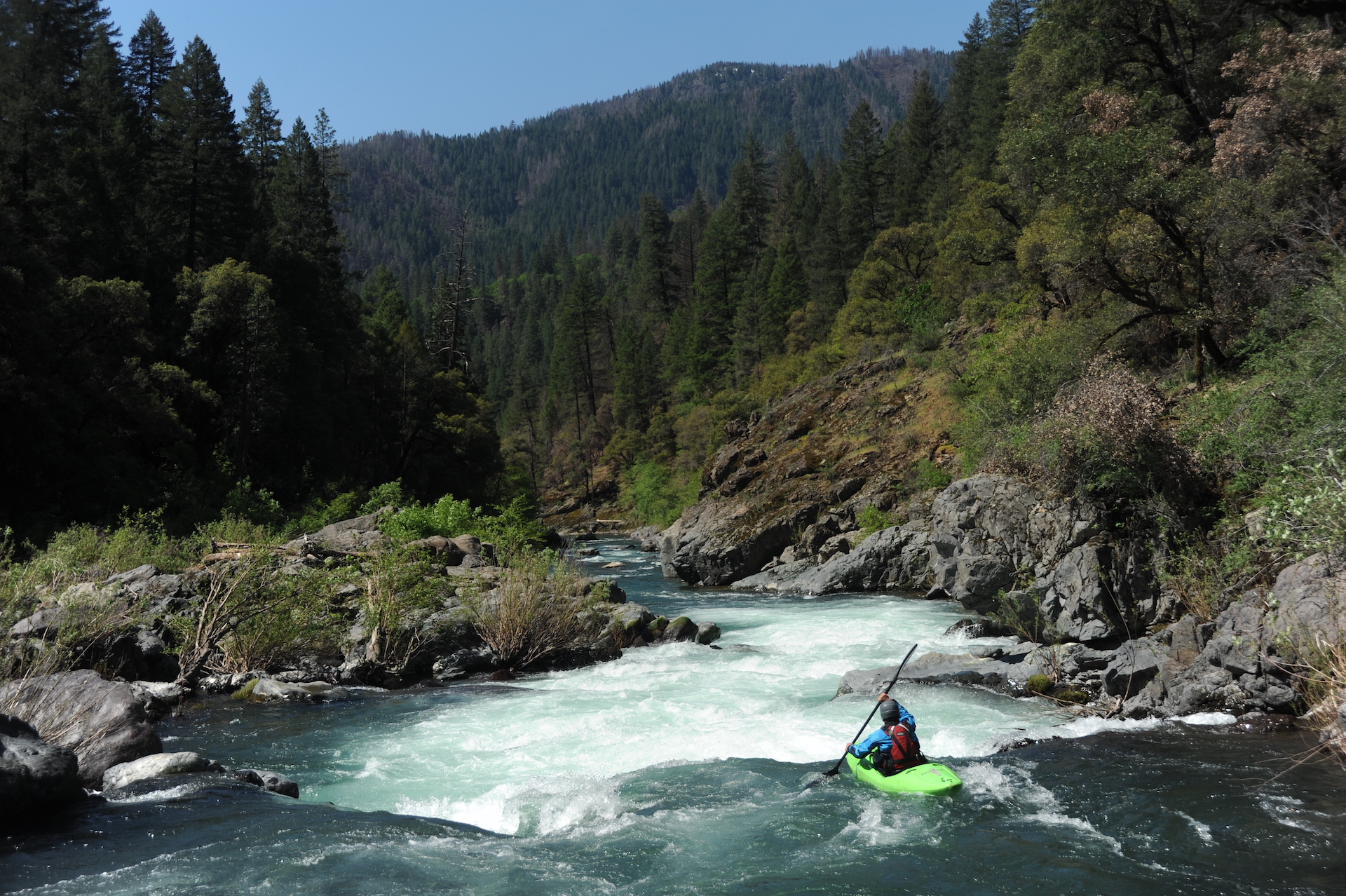
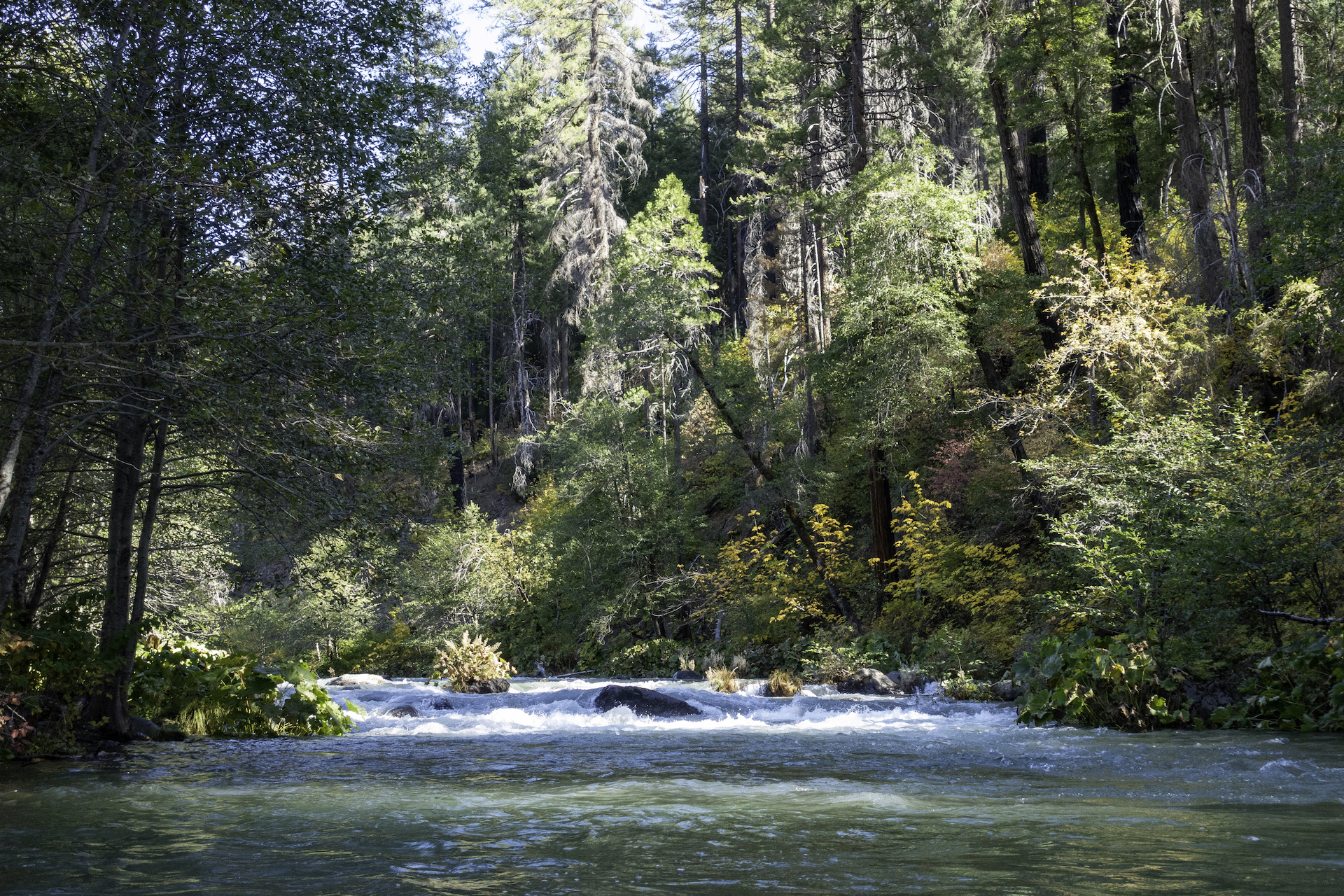
American Whitewater is advocating for a different approach that would provide annual boating opportunities by incorporating spring pulse flows into a more natural seasonal flow pattern. Before the river was dammed, the McCloud’s snowmelt and spring-fed hydrograph produced seasonal high flows that shaped channel features, moved sediment and gravels, and created year-round boating opportunities. Those flows are now largely absent below the dam.
Our proposal would establish annual spring pulse flows with defined timing, duration, and flow levels intended to support both river processes and whitewater recreation. Developing those recommendations has involved extensive technical work, including flow analysis, review of ramping rates and operational constraints, drafting revised certification language, and preparing supporting rationale tied to river processes and recreation needs.
Hydropower relicensing moves slowly, and the McCloud-Pit project has now been in relicensing for 17 years with no clear timeline for issuance of a new license. American Whitewater has remained involved throughout the process and continues working at every opportunity to improve flows and protect the rare experience of boating one of California’s most remarkable rivers. This work is made possible by the support of American Whitewater members, whose contributions allow us to stay engaged in long, complex relicensing efforts like the McCloud for years—sometimes decades—at a time.