
American Whitewater works to bring dewatered rivers back to life and restore more natural flow regimes to regulated river systems that provide the full dynamic range of flows essential to river health.
Whitewater flow studies are essential for establishing optimal flow conditions for whitewater recreation, especially in the context of hydropower relicensing proceedings. These studies aim to identify the flow ranges that provide the best recreational experiences while balancing environmental and hydropower interests. By using scientific methods, whitewater flow studies determine the minimum acceptable and optimum flow conditions for whitewater activities, ensuring that flows providing benefits to the paddling community are defined.
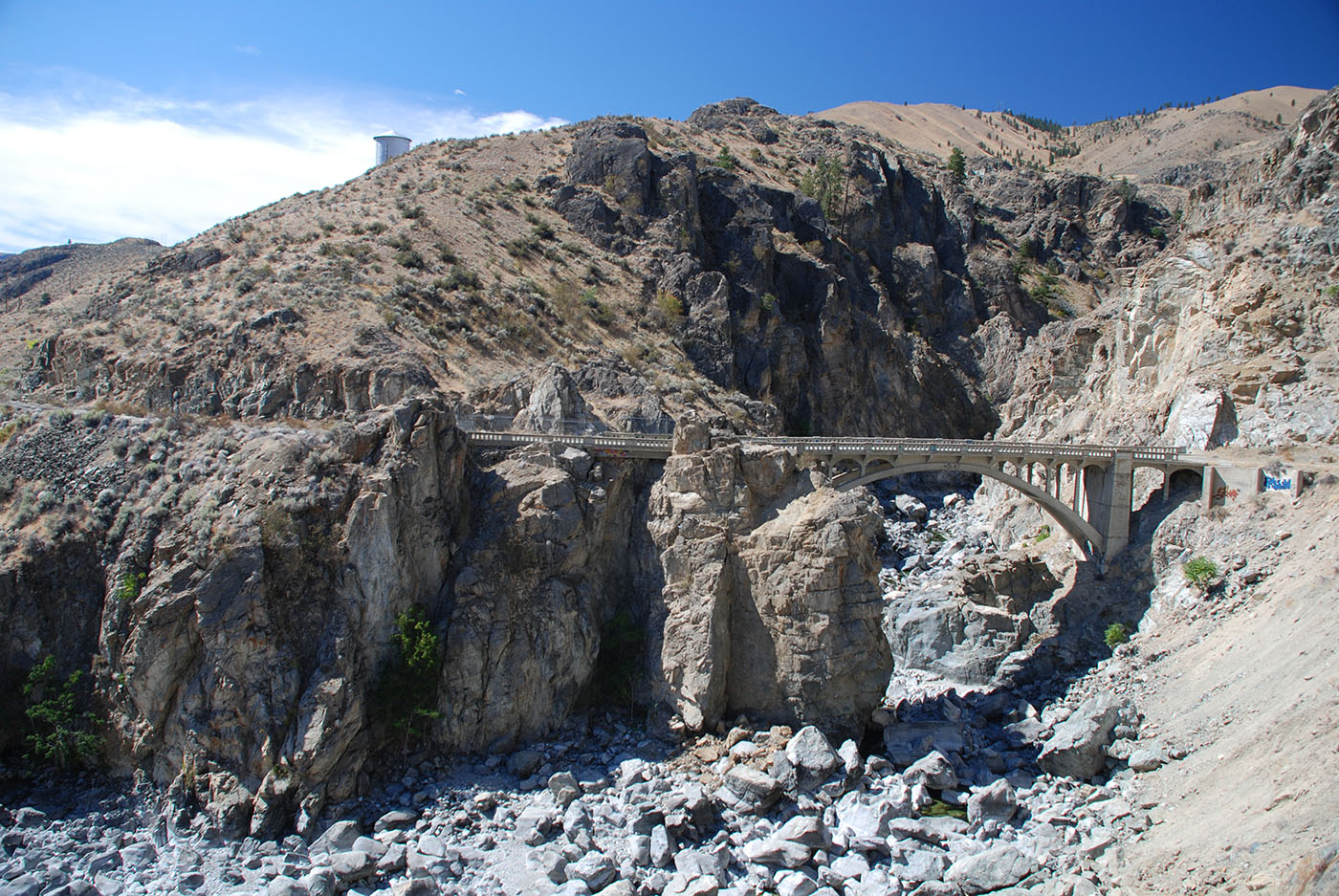
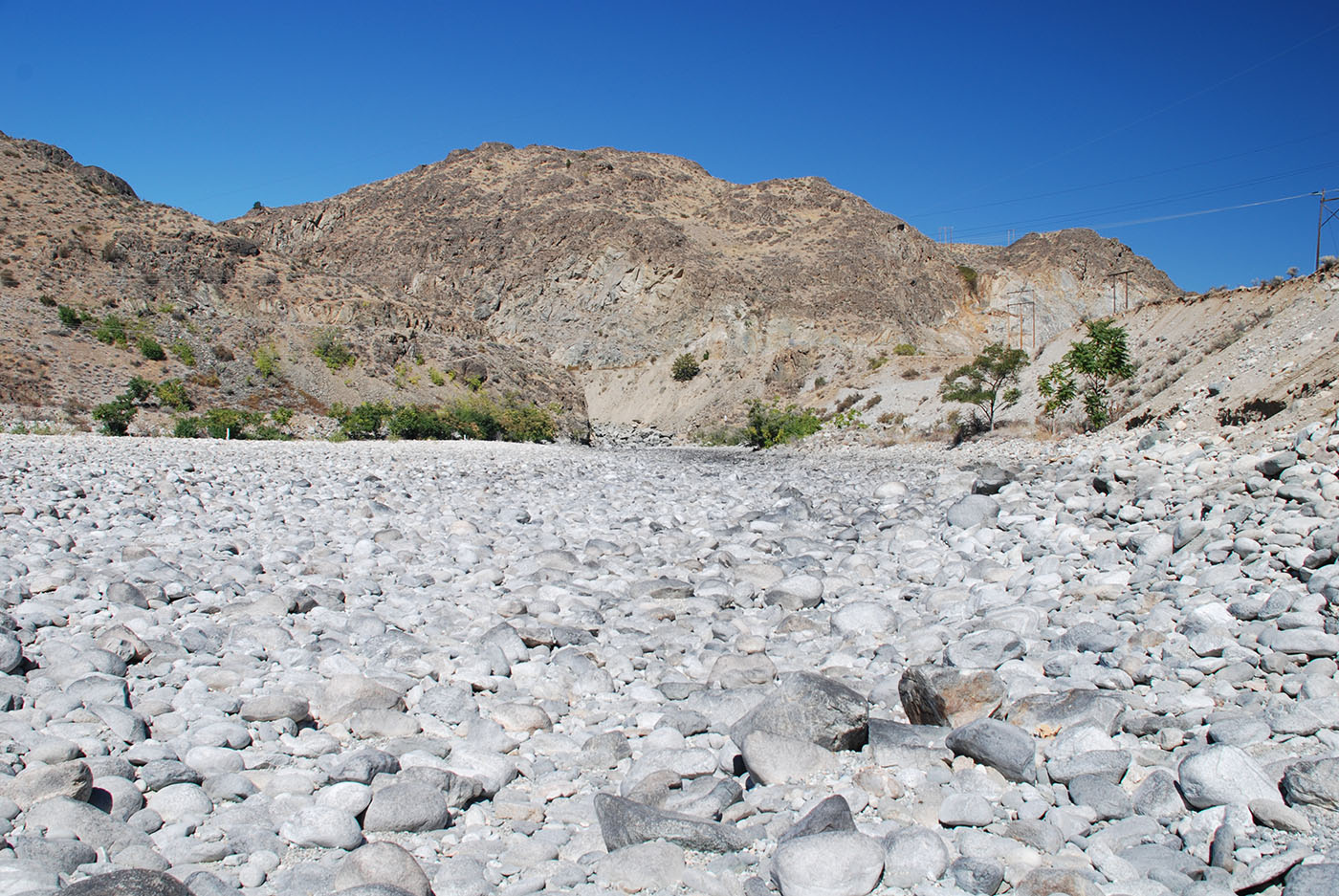
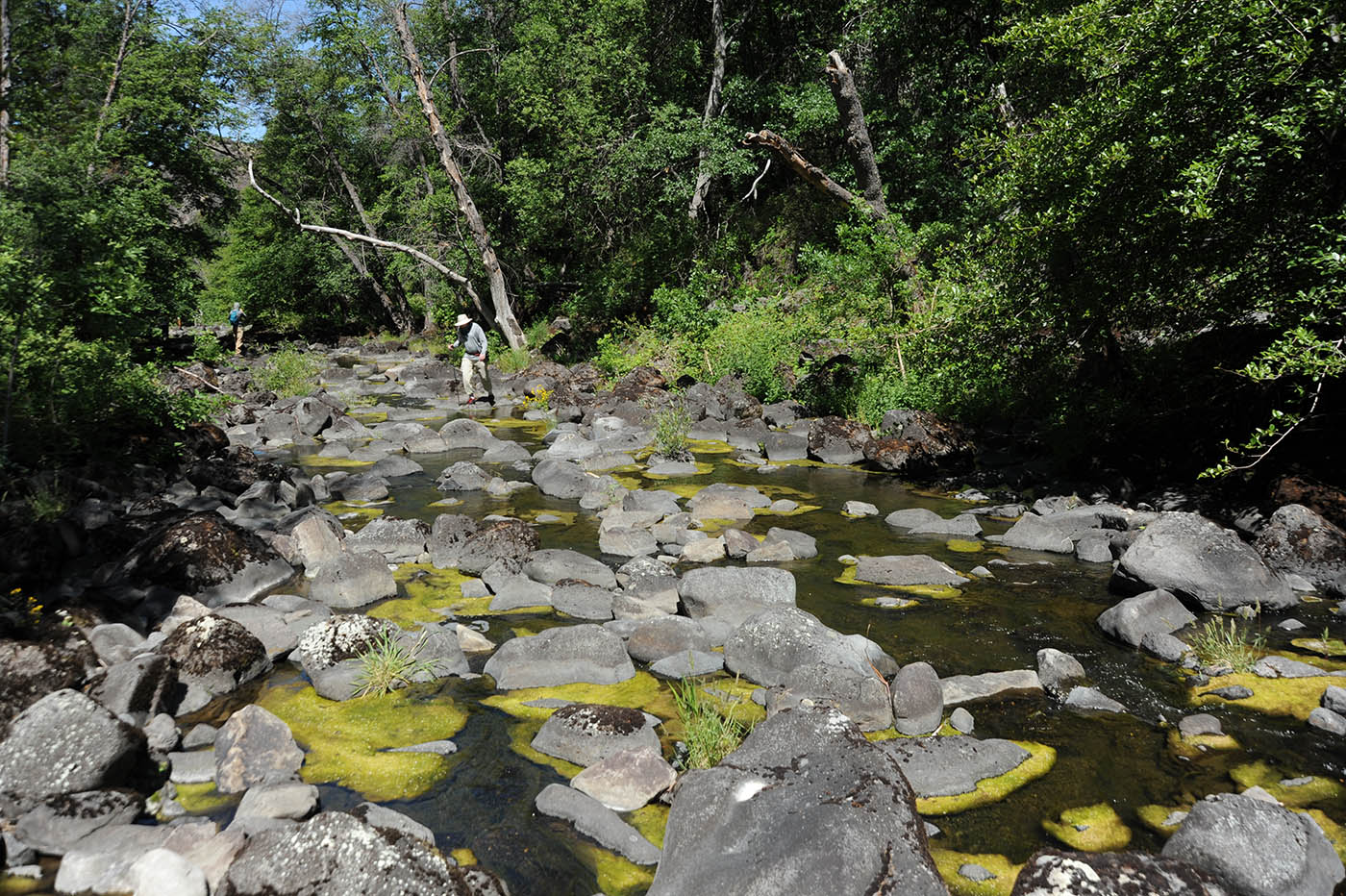
The results of these studies can be integrated with other studies that evaluate instream flow needs for fish and aquatic organisms and ecosystem processes. Process flows that restore elements of a dynamic flow regime that benefits river health can also provide whitewater boating opportunities. Stakeholders, particularly utilities, may attempt to negotiate flow conditions based on power generation needs or maintaining a static minimum instream flow, but these negotiations should be delayed until the objective study results are obtained.
To quantify the recreational opportunities that various flow conditions offer, American Whitewater developed the “Boatable Days” framework. This tool calculates the number of days within a study period that fall within defined flow ranges (acceptable and optimal) for specific river segments. It uses hydrologic data to determine which days meet recreational flow requirements and provides a clear, standardized measure of river recreation opportunities. By evaluating Boatable Days, water managers can better understand the impact of flow variations on paddling and make informed decisions about future water management. This approach also supports sensitivity analyses to predict how changes in flow conditions, water management policies, or climate scenarios could affect the quantity and quality of recreational opportunities.